
H&S Dean's Office
Job Hall, 3rd Floor
Office Hours
8:30 am - 5:00 pm, Monday - Friday
Dare to Ask Big Questions
Learn to think and inquire deeply, solve problems, and inspire change. At Ithaca College’s School of Humanities and Sciences, you’ll learn from and collaborate with a world-class faculty including researchers, changemakers, writers, artists, humanists, and scientists. You’ll join a community of alumni who are making their mark in such organizations as Oxfam, NASA, Poets & Writers, the Rockefeller Foundation, the Brooklyn Botanic Garden, & more.
For Prospective Students
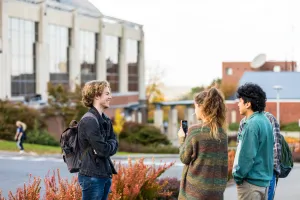
Explore the School of Humanities & Sciences and learn more about our community of artists, activists, scientists, and change-makers.
Programs
As IC’s largest school, Humanities and Sciences (known around campus as H&S) offers liberal arts programs in physical sciences, social sciences, art, & humanities. The centerpiece in every program is hands-on research, collaboration, & creative activity.
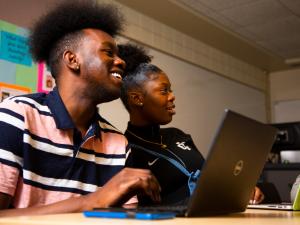
Undergraduate Majors & Minors
Develop your critical thinking skills, intellectual agility, and ability to navigate societal issues in 30+ majors and 40+ minors.
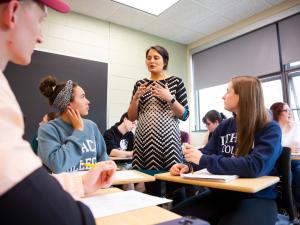
H&S Pathways Program
Still deciding what to study? Explore with H&S Pathways! You can take up to four semesters (60 credits) in various programs.
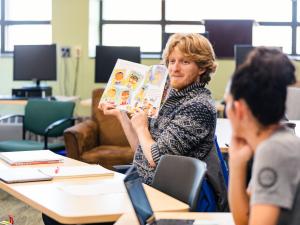
Graduate Programs
Through H&S, you can earn a Master of Arts in Teaching or Master of Science in Childhood Education in just 13 months.
Beyond the Classroom
Encounter transformational moments in the lab or on the IC Natural Lands, in our Makerspace, as a summer researcher working closely with a faculty member, or in unexpected conversations across our dynamic campus.
Student Experiences
Encounter socially engaged changemakers and exuberant thinkers through clubs, societies, and events brimming with opportunity.

Lisa Corewyn & Kari Brossard Stoos
Collaborating Wildly
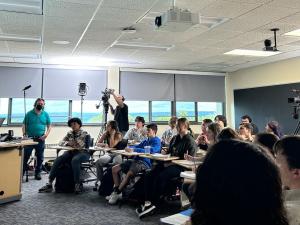
From IC to Costa Rica, two faculty members forged an unexpected and unwavering partnership to save an endangered species.
Read On

Elisa Rodriguez
Reading the Future
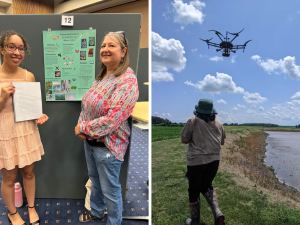
Elisa Rodriguez ’14 is helping to shape tomorrow’s critical thinkers one student at a time.
Read On
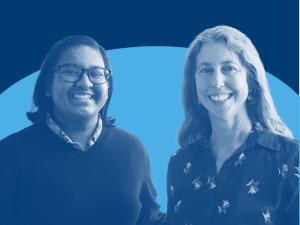
Antara Sen & Beth Ellen Clark Joseph
Landing Out-of-This-World Opportunities
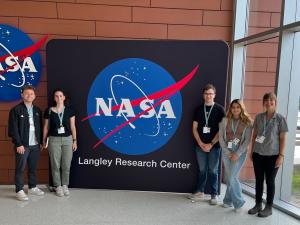
On a NASA mission, Antara Sen ’22 and Professor Beth Ellen Clark Joseph set national research and lifelong friendship into motion.
Read On