
Change Lives Every Day
Carve out a rewarding and in-demand career pathway in health and wellness. You’ll grow your skills in classes taught by expert faculty. With hands-on training, you’ll actively participate in client care, treating individuals and helping communities live healthy and satisfying lives. You’ll collaborate across disciplines—and find a sense of true community—emerging as a prepared and inspired professional.
The HSHP Edge
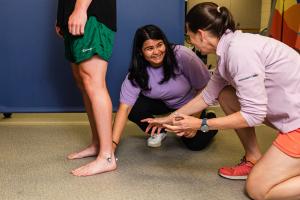
Classroom learning balanced with hands-on practice with real clients. Relationships with enthusiastic, expert faculty committed to teaching.
Unique Experiences Outside of the Classroom
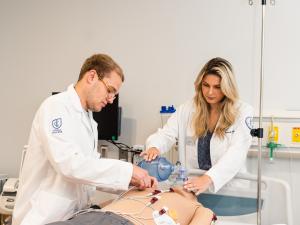
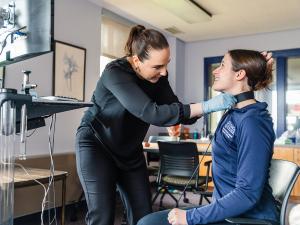
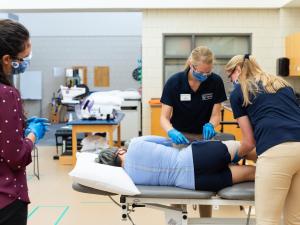
Benefit from Hands-On Practice
Your classroom lessons will come to life when you work with real clients, equipment, and issues in our on- and off-campus sites.
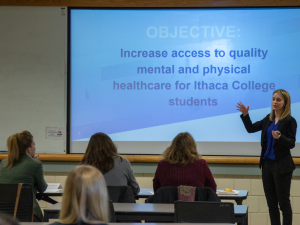
Pursue Research Interests
Partner with expert faculty to develop, conduct, and present your own research.

Go Global
Expand your horizons by spending an entire semester studying at our London Center or other global locations.
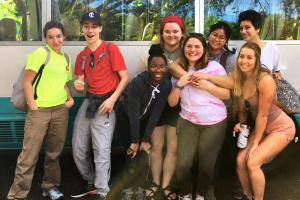
Pre-Health Professions Program
Need time to decide on a major?
Enroll in our Pre-Health Professions Program to have some space to explore your interests without falling behind. Take foundational classes and work closely with a faculty advisor to pinpoint your passion in the health and human performance industry.
Featured News


Raevyn Goodson
Navigating Tough Times
Whether juggling 12-hour hospital shifts or a 4-hour time difference for virtual classes, Alaska native Raevyn Goodson knows how to keep her cool.
Read On
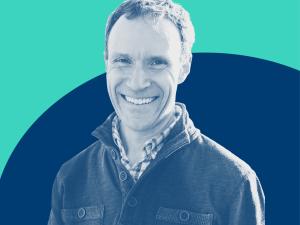
Scott Capozza
Charting Courageous Paths
Scott Capozza ’98, MS ’99 helped evolve cancer care after navigating his own survival.
Read On

Lisa Corewyn & Kari Brossard Stoos
Collaborating Wildly
From IC to Costa Rica, two faculty members forged an unexpected and unwavering partnership to save an endangered species.
Read On