
Questions? Please don't hesitate to reach out.
Where Passion Meets Progress
Join our inclusive community of innovative thinkers, performers, and trailblazers collaborating to push the performing arts forward. Here, in conservatory style programs that are grounded in the liberal arts, you’ll feel rapport and reinvention in the air—in our classrooms, in practice rooms and on and off our stages. Through multidisciplinary training and exposure, you’ll forge your career as you create a more equitable and sustainable tomorrow.
Featured News

Dramatic Explorations
How Study Abroad Transformed the Career and Life of Playwright Ronica Reddick ‘02

West End Wonder
Casey Ingraham ’24 landed a dream role interning in the heart of London’s theatre community.
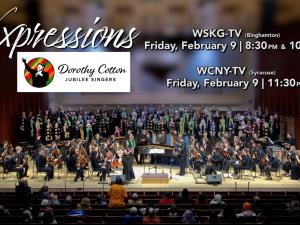
Public Television to Air Dorothy Cotton Concert at Ithaca College
Performance was taped last fall in Ford Hall.
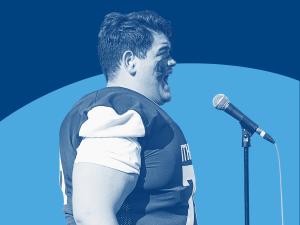
Nick Capodilupo
Daring Stages and Stadiums
Nick Capodilupo ‘24 found his voice and his vigor as a vocal performance major and football player at Ithaca College.
Read On

Alexa Chalnick
Turning Limes into Lemonade
TikTok star Alexa Chalnick ’23 turned setbacks into successes by embracing creative resilience and daring other artists to join in.
Read On
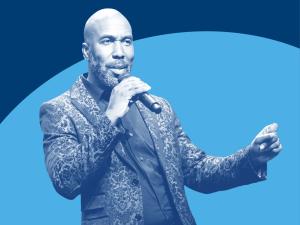
Eric Jordan Young
Setting the Stage for Transformation
Eric Jordan Young ’93 finds fuel for continual collaboration, creative refuge, & transformation where he launched his career—IC.
Read On