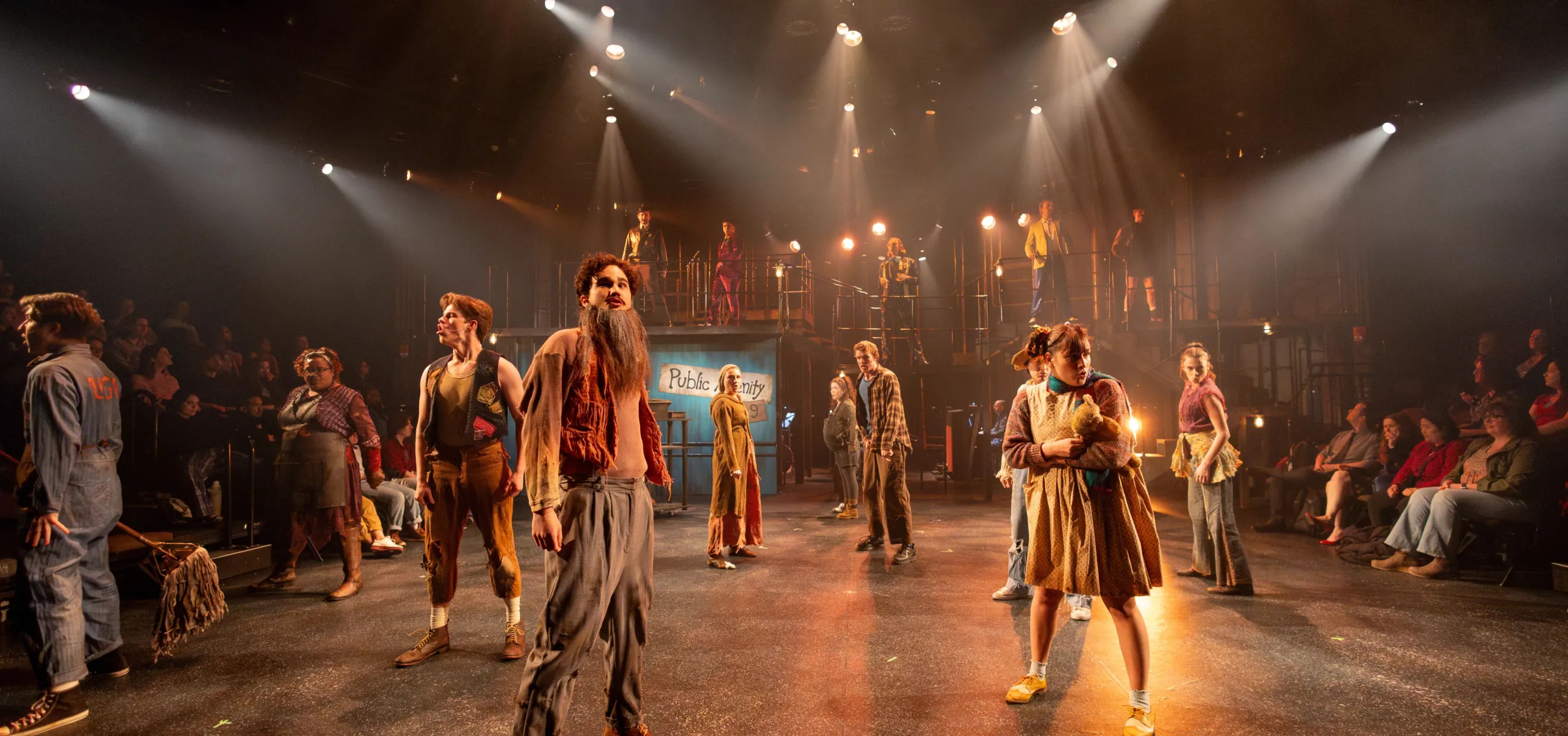
Questions? Please don't hesitate to reach out.
Reinvent the Performing Arts
Join our inclusive community of innovative thinkers, performers, and trailblazers collaborating to push the performing arts forward. Here, in conservatory style programs that are grounded in the liberal arts, you’ll feel rapport and reinvention in the air—in our classrooms, in practice rooms and on and off our stages. Through multidisciplinary training and exposure, you’ll forge your career as you create a more equitable and sustainable tomorrow.
Programs
Our highly selective programs inspire future teachers, performers, producers, stage managers, and more.
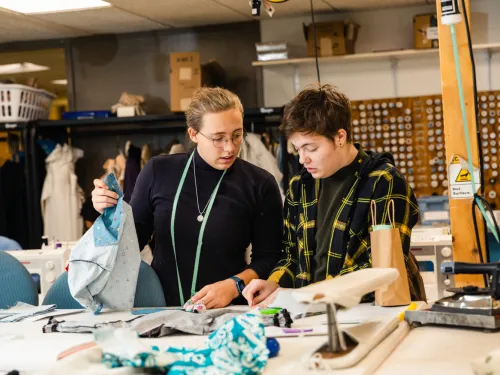
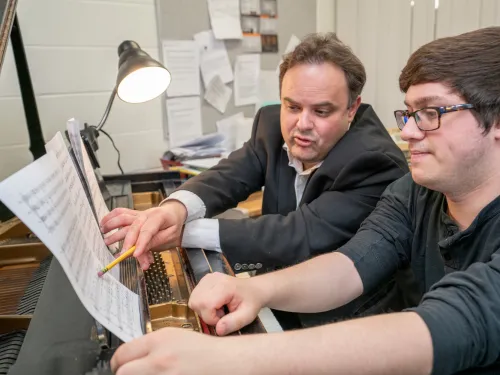
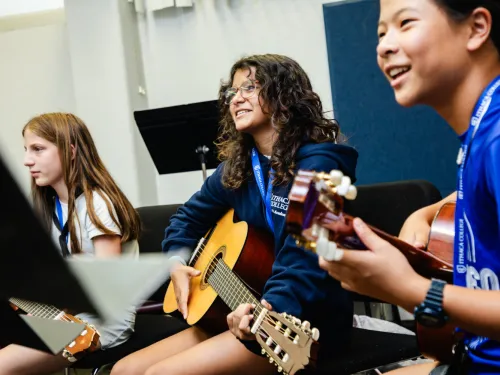
Learn about the School of Music, Theatre, and Dance
We find beauty in performance. Join a community of creatives who know the transformative power of art.

Faculty and Staff
Renowned artists, musicians, and educators dedicate their energy to cultivating our students’ potential.
Opportunities and Experiences
Live in the moment in every practiced monologue, ensemble dance, and freewheeling cadenza. Join clubs and societies, engage with a community, immerse yourself in art, and attend master classes by world-renowned experts.
190+
Posters
The posters hanging in Dillingham Center's lobby represent IC alumni on Broadway
450+
Performances Each Year
Including music, theatre, opera, dance, and student showcases.
90+
Practice Rooms
In Whalen Center - along with instrument repair services, and a full music library
News from Our School
School of Music, Theatre, and Dance students, faculty, and alumni produce excellence and collaborate across disciplines to generate expansive potential in performance, media, teaching, and so much more.

Spring Into Performance
What to see, when to go, and how to experience it.
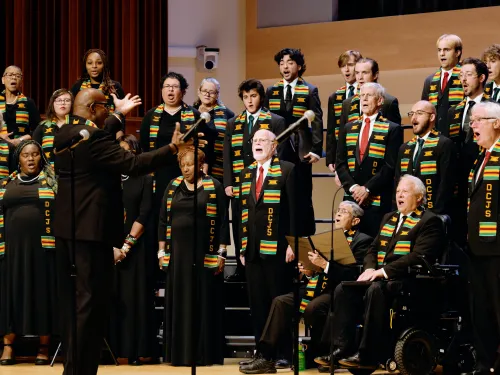
Finding Strength in Song
The Community Legacy of the Dorothy Cotton Jubilee Singers
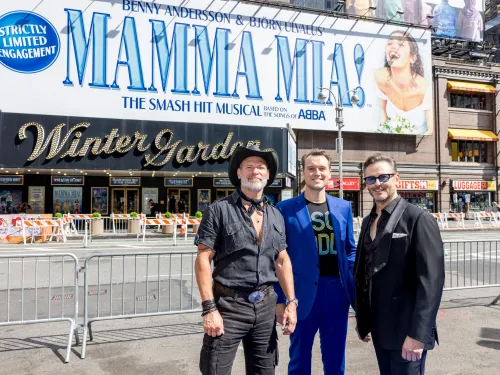
MAMMA MIA! Here We Go Again
Victor Wallace ’95 continues to shine in 25 year running hit musical.