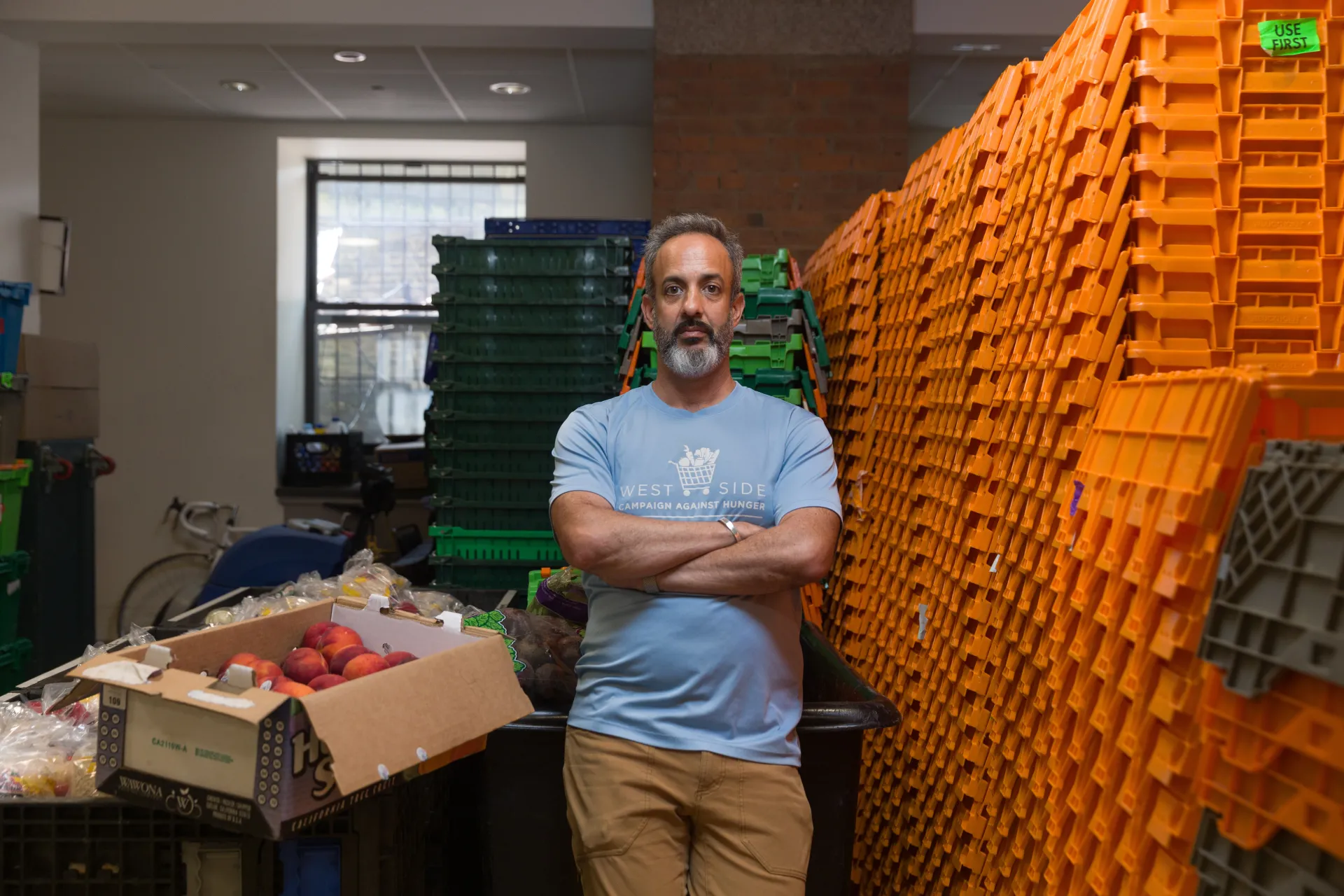
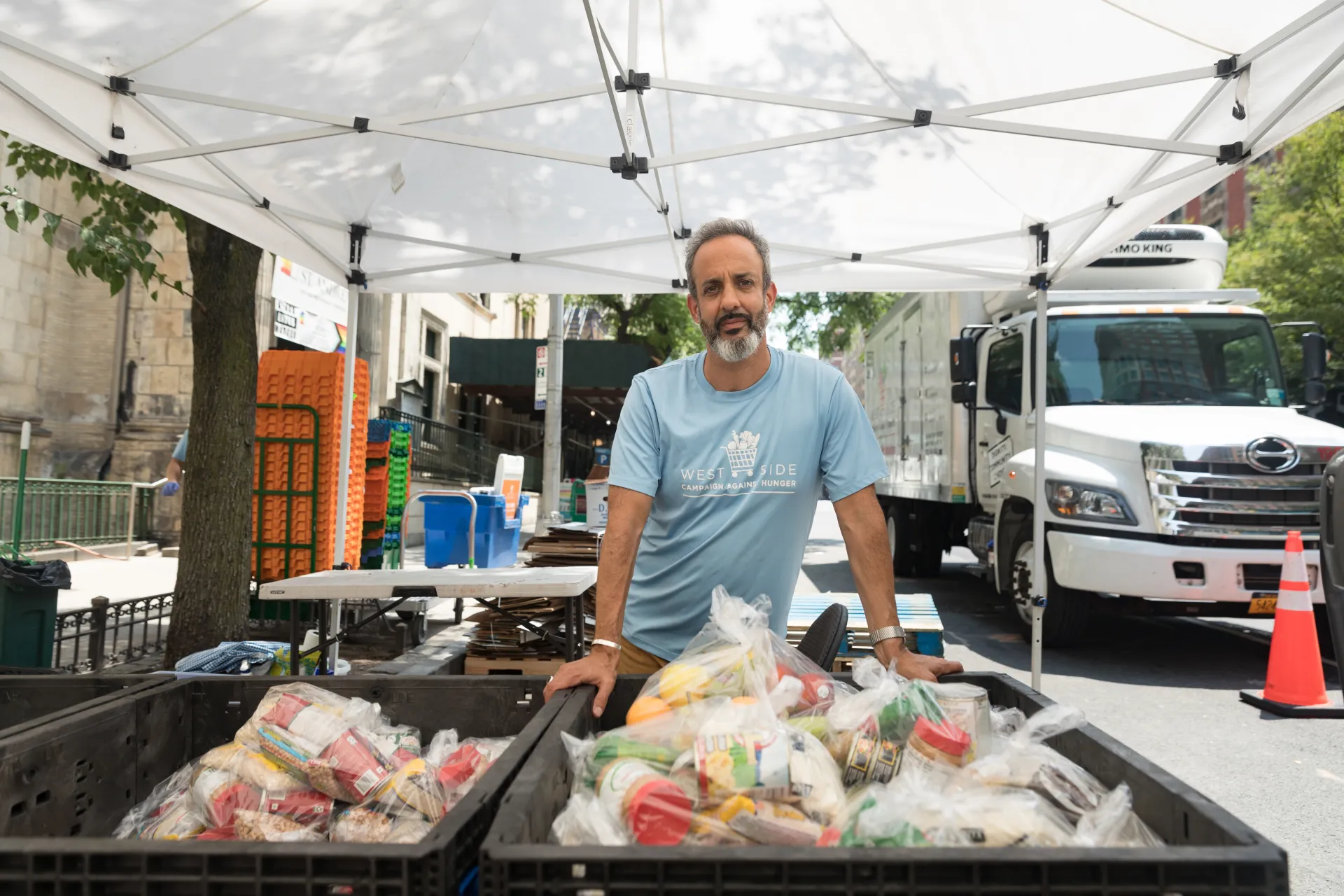
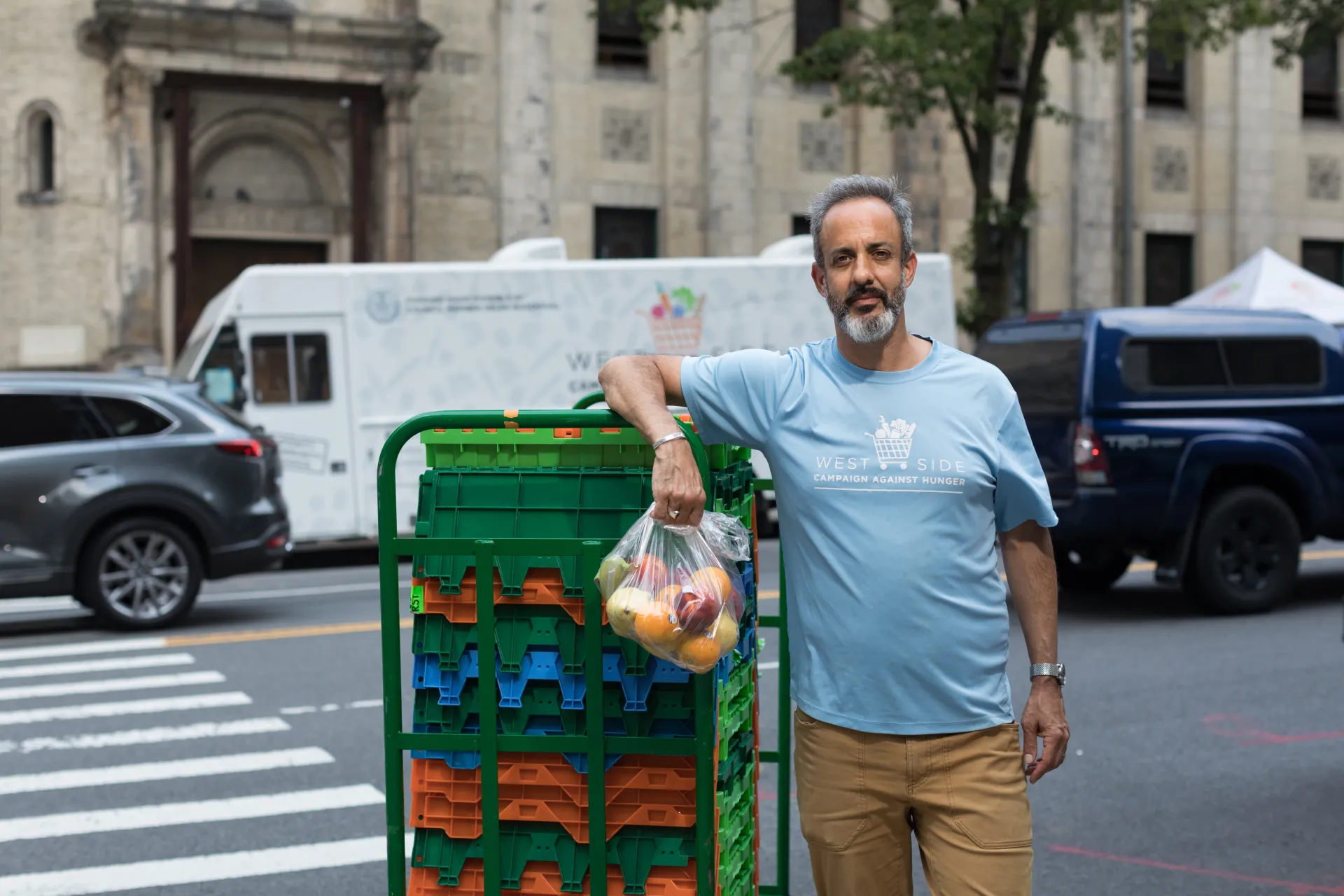
The next chapters in WSCAH’s stories are still being written, with changes on the horizon.
“City and state budgets are being decimated by cuts at the federal level, and it’s impacting the social safety net that we’re a part of,” Silverman said. “We’re working hard to find more private sector support, but the reality is, philanthropy can’t make up the gap that is created by a massive loss in government support.”
But despite those challenges, WSCAH continues to forge ahead with its mission. They’re a founder of The Roundtable: Allies for Food Access that works across New York city’s emergency feeding sector to drive down food purchase prices and collaborate across organizations. As well, Silverman is a co-founder and Board chair of the The Alliance for a Hunger Free New York, a collection of dozens of organizations — including the Tompkins County Food Distribution Network — that work together to reduce food insecurity in New York in new and innovative ways.
“One thing WSCAH is changing is how we distribute food,” he said. “We’re doing a lot more home delivery. For example, new mothers who show up at a New York-Presbyterian hospital emergency room and screen positive for food insecurity will be asked if they want free home delivered groceries, and if they do, we’ll ask them what they want, put it in a box, and deliver it to them every other week.
“When, where, and how people get their food impacts their lives just as much as the type of food they get,” Silverman continues. “People who have the means can get their food conveniently; why shouldn’t it be that way for everyone?”
Silverman, who was a double major in anthropology and politics, and who in 2021 received the Ithaca College Alumni Association’s Humanitarian Alumni Award, credits his time at IC and in Ithaca with surrounding him with an “incredibly nurturing presence.” And he’s taken that mentality with him in his current role.
“We’re not going to listen to the naysayers,” he said. “We’re going to continue to think outside the box, work with others, and show how a small front line, community first anti-hunger organization can change things.”