The hottest career choice is no longer doctor, lawyer, or actor. It’s now “content creator” with 57% of Generation Z (people born 1997–2012) saying they would become an “influencer” if given the chance. The role of a content creator (also called an influencer) on social media offers a platform for authenticity—a trait highly valued among Gen Z and Gen Alpha (those born after 2012). This type of job gives those doing the influencing control over their own lifestyle and work style, and the opportunity to be heard across a range of social media platforms. With a camera phone and some hard work, this future is 100% possible for aspiring creators. It’s called the creator economy.
According to Goldman Sachs, the creator economy is valued at $250 billion with a projection to double to $480 billion by 2027. The reason this sector is booming? The increase of digital media consumption and the widespread access to technology has produced a supply and demand loop. But, even more so, it has produced trust. Audiences on social media trust recommendations from creators more than they do the brands that are marketing those products.
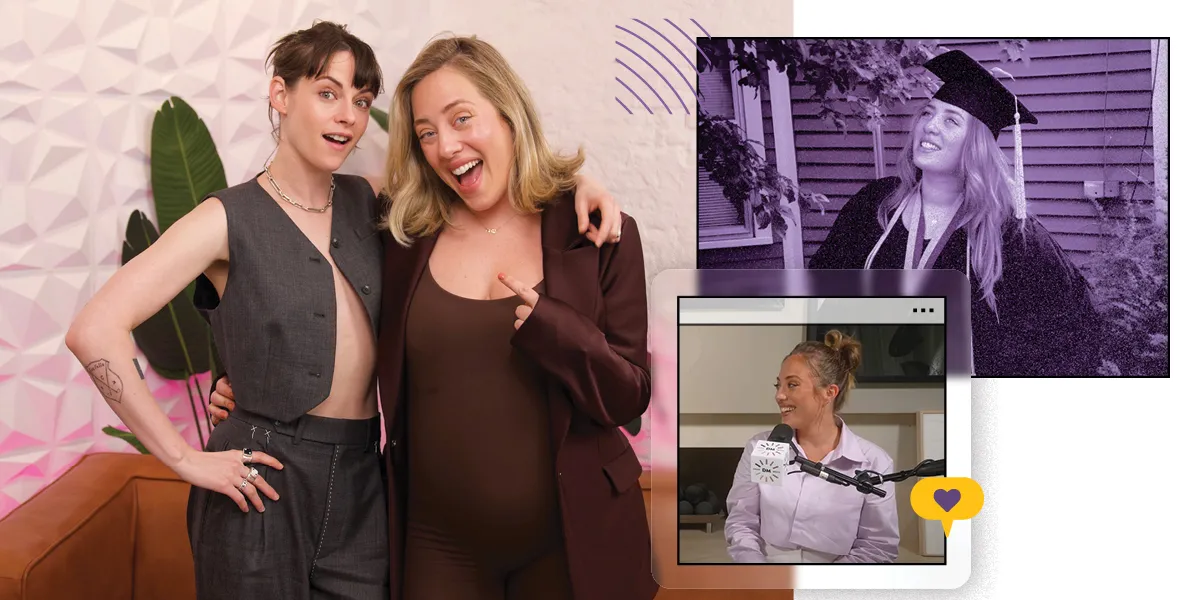
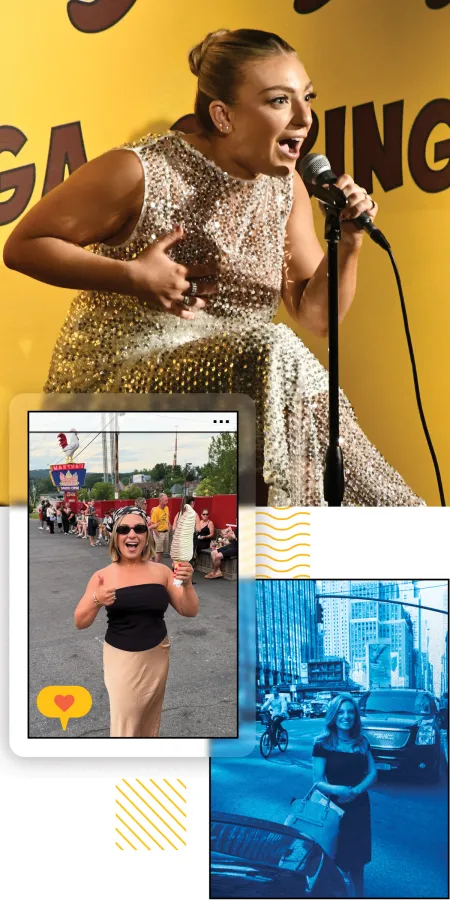
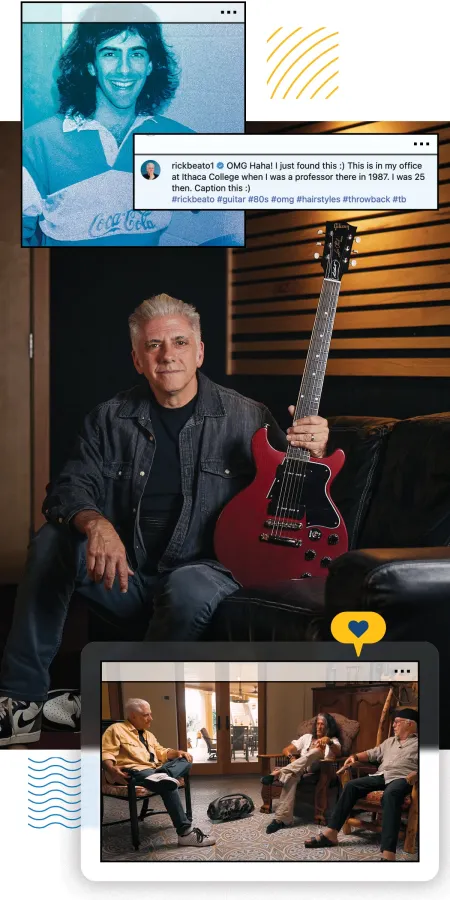
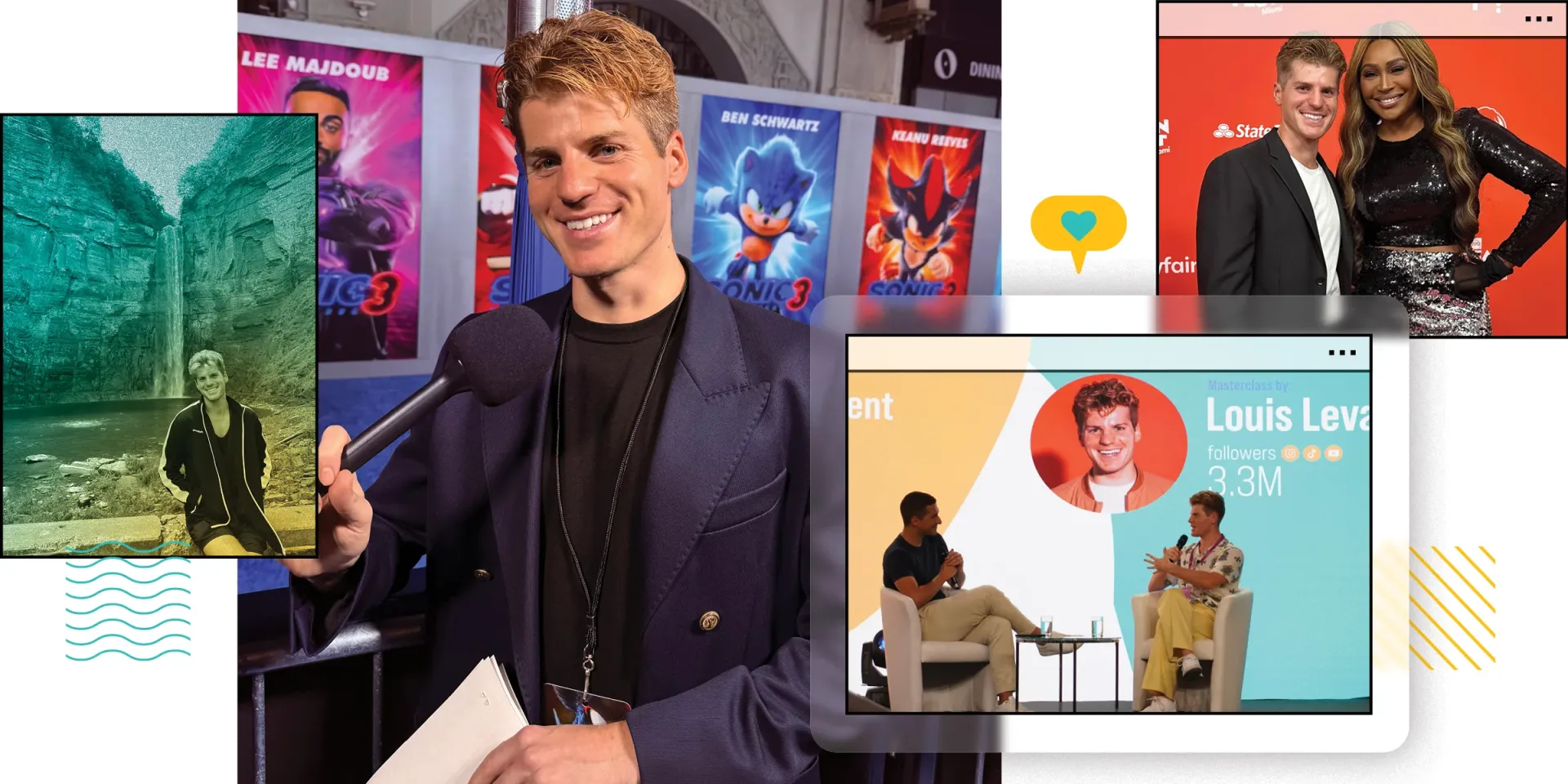
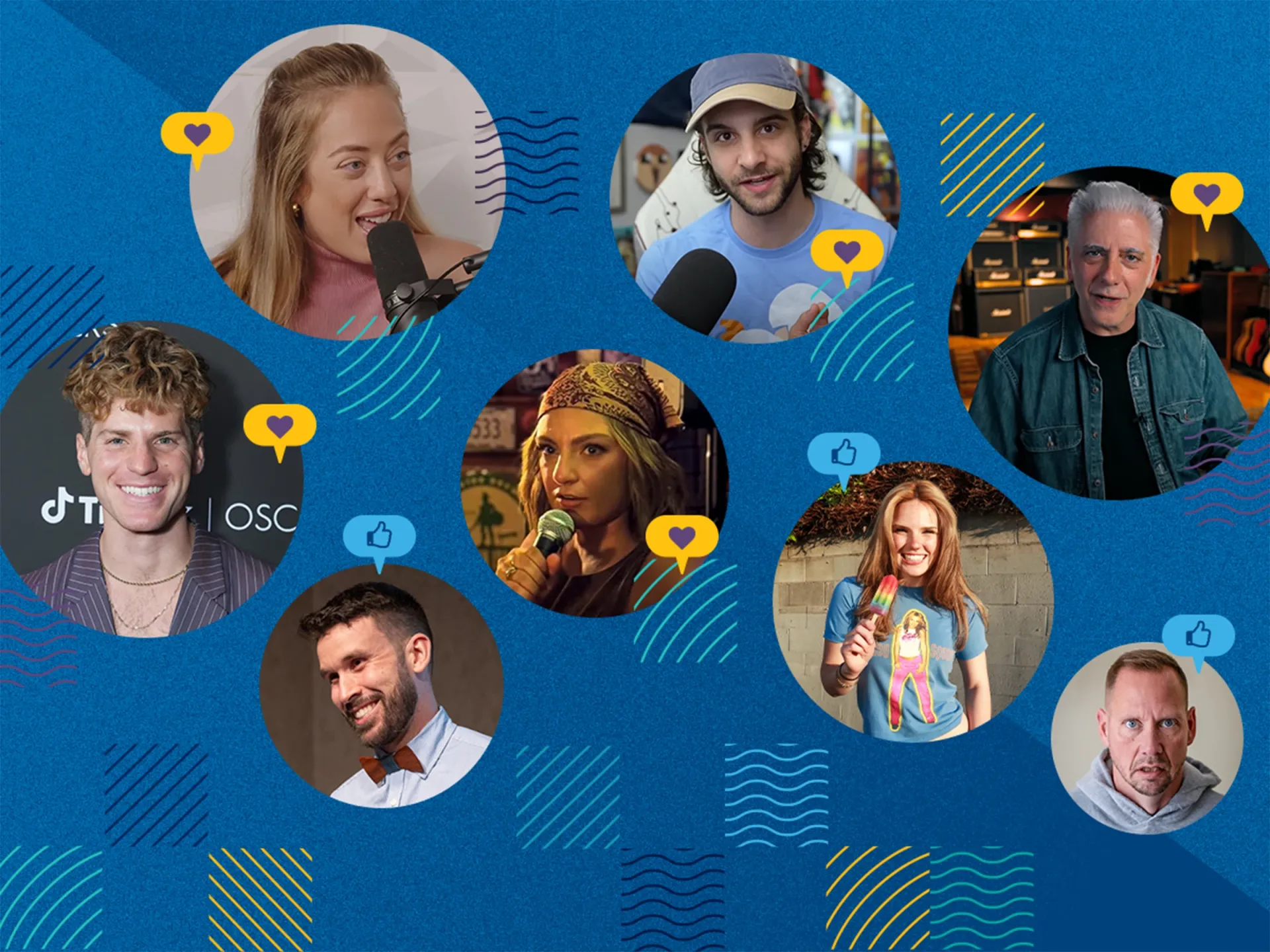
Amanda Hirsch ’10, Taylor Rao ’15, Danny Motta ’21, Rick Beato ’84 , and Louis Levanti ’19 are IC grads in the creator economy who have high profiles on social media. They are killing it—to borrow a Gen Y phrase—with a combined following of 31 million people. Another more recent IC grad, Kylie Schultz ’25 , has attracted 252,800 TikTok followers—and the attention of Vogue magazine— in her aspiration to play Britney Spears in an upcoming biopic.
These IC grads have developed senses of innovation and critical thinking that have positioned them to be part of the fastest growing sector of technology. They can see what is possible because there are any number of ways to be a creator. Some have set out with a business plan while others have started with an Instagram or TikTok channel as a hobby that gained traction. When Motta’s first video went viral, he took the cue and posted more, adding videos in topic areas he knew he could expand into. Rao saw an opening in a market and then held tight with a strategy of slow and steady growth. Beato started posting educational videos and now does celebrity interviews.
These IC creators were primed and ready to become creators because IC offered them tools: a strong education and skills with an emphasis on interdisciplinary thinking, the ability to apply their education in ways that have resonated with others, and perhaps even the tenacity that has enabled them to believe in themselves and keep at it.