Our Specialty Clinics

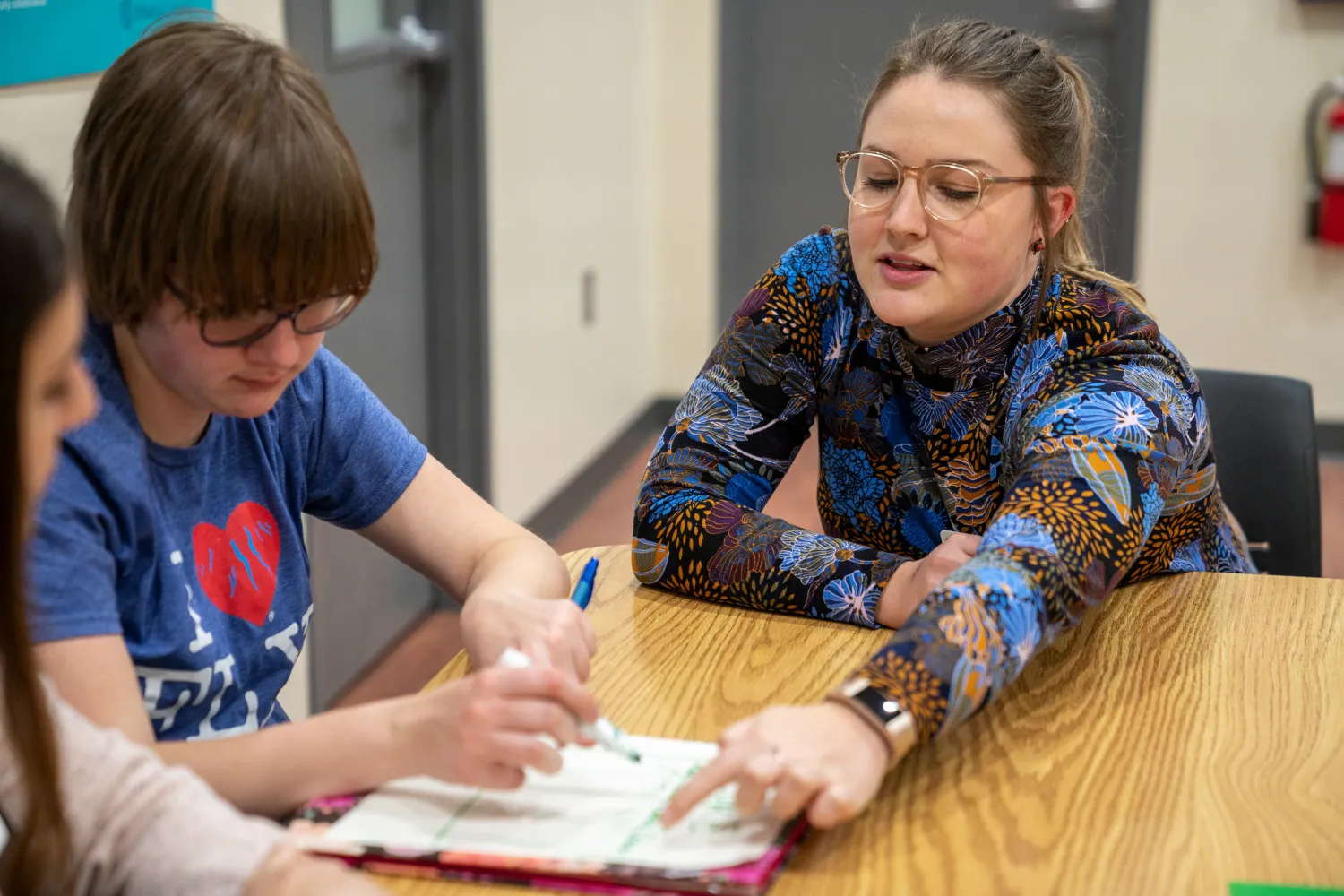
Student clinician supporting client with autism

At Ithaca College, speech-language pathology and audiology students gain hands-on experience through on-campus and community-based clinical practicums. Under supervision from licensed, ASHA-certified faculty, students provide high-quality services to children and adults, including those with limited access to care. These experiences allow students to apply classroom knowledge in real-world settings.

Below is an overview of the diverse clinical opportunities available through the Ewing Speech-Language Clinic.

On-Campus Clinical Experiences

Ewing Speech-Language Clinic

Students provide diagnostic and intervention services for children and adults addressing speech sound disorders, language delays, fluency, and cognitive-communication challenges. Graduate clinicians may also engage in telehealth services and pediatric diagnostic evaluations. Students develop treatment plans, provide evidence-based therapy, and complete SOAP notes, lesson plans, and progress reports.

Ewing Hearing Clinic

Students gain experience conducting hearing screenings, pure-tone testing, tympanometry, and OAE screenings. Graduate students focus on case history, otoscopy, and counseling, while undergraduate students preparing for audiology may expand into speech audiometry and bone conduction testing.

AAC Clinic with Dr. Hajjar

Graduate students support pediatric and adult AAC users through individualized sessions that include programming systems, caregiver collaboration, and creating opportunities for social communication. Students also learn assessment and screening procedures through short-term rotation sessions with multiple AAC users.

Gender-Affirming Voice & Communication Services (Individual and Group)

Graduate students provide individualized and group therapy for transgender and gender-diverse individuals. Sessions target vocal quality, resonance, prosody, and nonverbal communication to promote confidence, vocal health, and authentic self-expression in daily communication.

Clinical Simulation Lab (SimLab)

Open to undergraduate and graduate students, this high-fidelity lab replicates acute care environments. Students conduct simulated evaluations in dysphagia, cognitive-communication, and voice while practicing interprofessional teamwork, documentation, and patient education.

Community and Outreach Clinical Experiences

Newfield Language Enhancement Program (Pre-K)

Graduate and undergraduate students collaborate with teachers in preschool classrooms to support language and early literacy development. Activities include structured and play-based sessions targeting vocabulary, narrative, and social communication skills.

Harriet Giannelis Childcare Center (Pre-K Communication Enhancement Program)

Students facilitate circle time, free play, and small group activities to enhance early language and literacy skills for Head Start preschoolers. Clinicians observe, plan lessons, collect data, and complete progress reports for each child.

Trumansburg Elementary School

Graduate students work with K–4 students in general education speech improvement programs, focusing on articulation and language enrichment within the school setting.

Project GORGES (Groups Overcoming Roadblocks to Growing Efficacy and Skills)

Graduate students and advanced undergraduates provide early intervention services to children with diagnosed or suspected autism using the evidence-based Project ImPACT framework. Clinicians coach parents, conduct telehealth sessions, and participate in group and individual therapy supporting social communication growth.

Parkinson’s Wellness Collaborative

Graduate and advanced undergraduate students engage in interprofessional group therapy with PT and OT students. Using programs like Speak Out!, sessions address vocal intensity, respiratory coordination, and communication strategies to enhance quality of life for individuals with Parkinson’s disease.

Therapeutic Alliance Program (TAP)

Graduate students collaborate with PT and OT peers in community-based sessions for adults with brain injury, neurological, or co-occurring mental health challenges. Students gain experience in cognitive-communication treatment, interprofessional care, and trauma-informed practice.

Center for Life Skills (CLS)

Students participate in an interprofessional program serving adults with chronic neurological conditions. Working alongside PT and OT students, SLP students provide intervention targeting speech, language, and cognitive-communication needs to promote independence and quality of life.

Brain Builders at Longview

Graduate students lead group therapy for older adults with dementia-related disorders. Sessions include baking and cognitive activities designed to maintain communication and memory skills in a supportive, social environment.

Baking and Brain Builders at Cayuga Nursing and Rehabilitation Center

Graduate students lead weekly group sessions combining baking and cognitive-communication activities for residents with dementia. Students develop and facilitate therapeutic group plans while writing SOAP notes, lesson plans, and progress reports.

Off-Campus Hearing Screenings

Under faculty supervision, students conduct hearing screenings at local Head Start programs and Ithaca City School District elementary schools, following NYS screening protocols.

Telehealth Services

Graduate students deliver virtual therapy to clients across ages and communication needs, including speech sound disorders, aphasia, and apraxia. Students gain telepractice experience in assessment, treatment, and family collaboration.

Invivo Institute (Telehealth for Stuttering)

Graduate students participate in a 12-week telehealth program integrating speech-language pathology and mental health approaches for people who stutter. The experience includes individual and group sessions emphasizing holistic, interdisciplinary care.