Section as Cosmogram: From the Heavens to the Earth
Curated by David Salomon, Chair and Associate Professor, Art, Art History, and Architecture, Ithaca College
August 28 - October 1, 2025
9/4 Opening Reception: 5 – 6:30 p.m. Section as Cosmogram: From the Heavens to the Earth
9/18 6:00 p.m. Gallery Talk: Andean Ecologies, Cosmologies, and Fictions José Ibarra (Penn State)
9/25 5:30 p.m. Gallery Talk: Transect: 31˚52′11″ N, 111˚07′29″ W to 37˚04′42″ N, 116˚01′49″ W
Geoffrey Thün & Kathy Velikov (University Michigan)
Section as Cosmogram: From the Heavens to the Earth
List of Contributors
Ants of the Prairie, Bureau Spectacular, Seth Denizen, Harrison Atelier, José Ibarra, Ibañez Kim (Mariana Ibañez and Simon Kim), Ferda Kolatan, Mélanie Louterbach, Lucito, Mathur/Da Cunha, NaJa & deOstos, Ciro Najle, NEMESTUDIO, op.AL, EMLab/PEG project team – Karen M’Closkey/Keith VanDerSys/Andreina Sojo, pneumastudio, RVTR, SCAPE, SITE/James Wines, Smout Allen, Society of Cartographic Objects, Penny Unni, Ann Weber & Cornell Landscape Architecture, Z4A
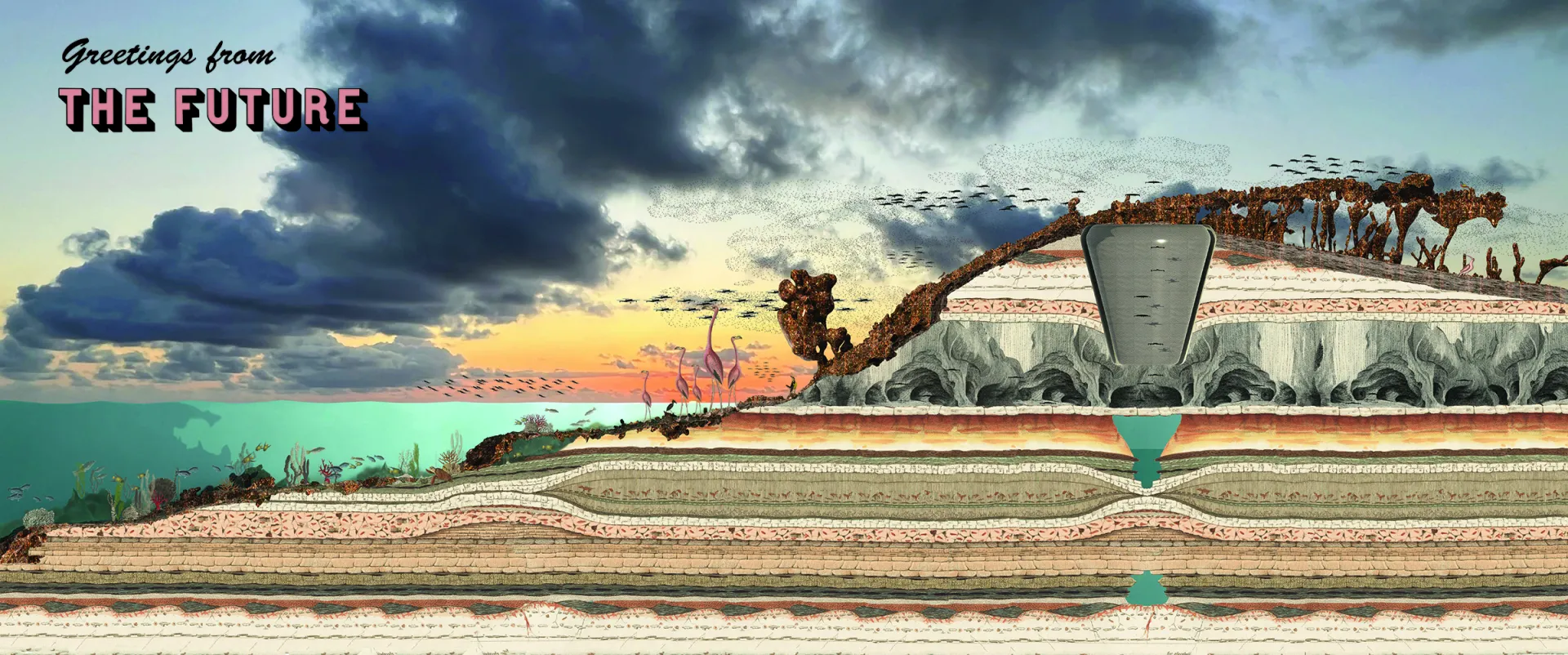
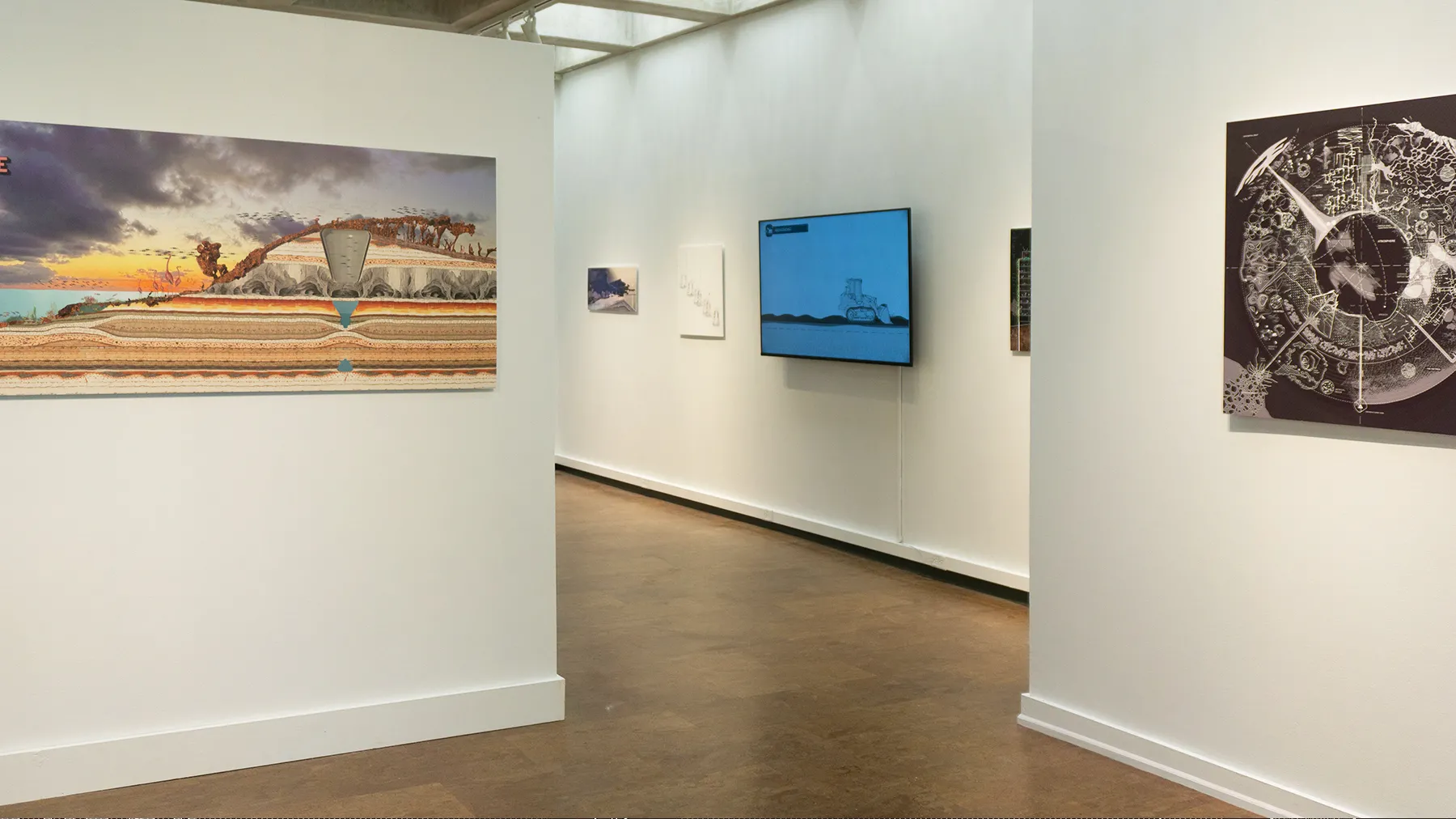
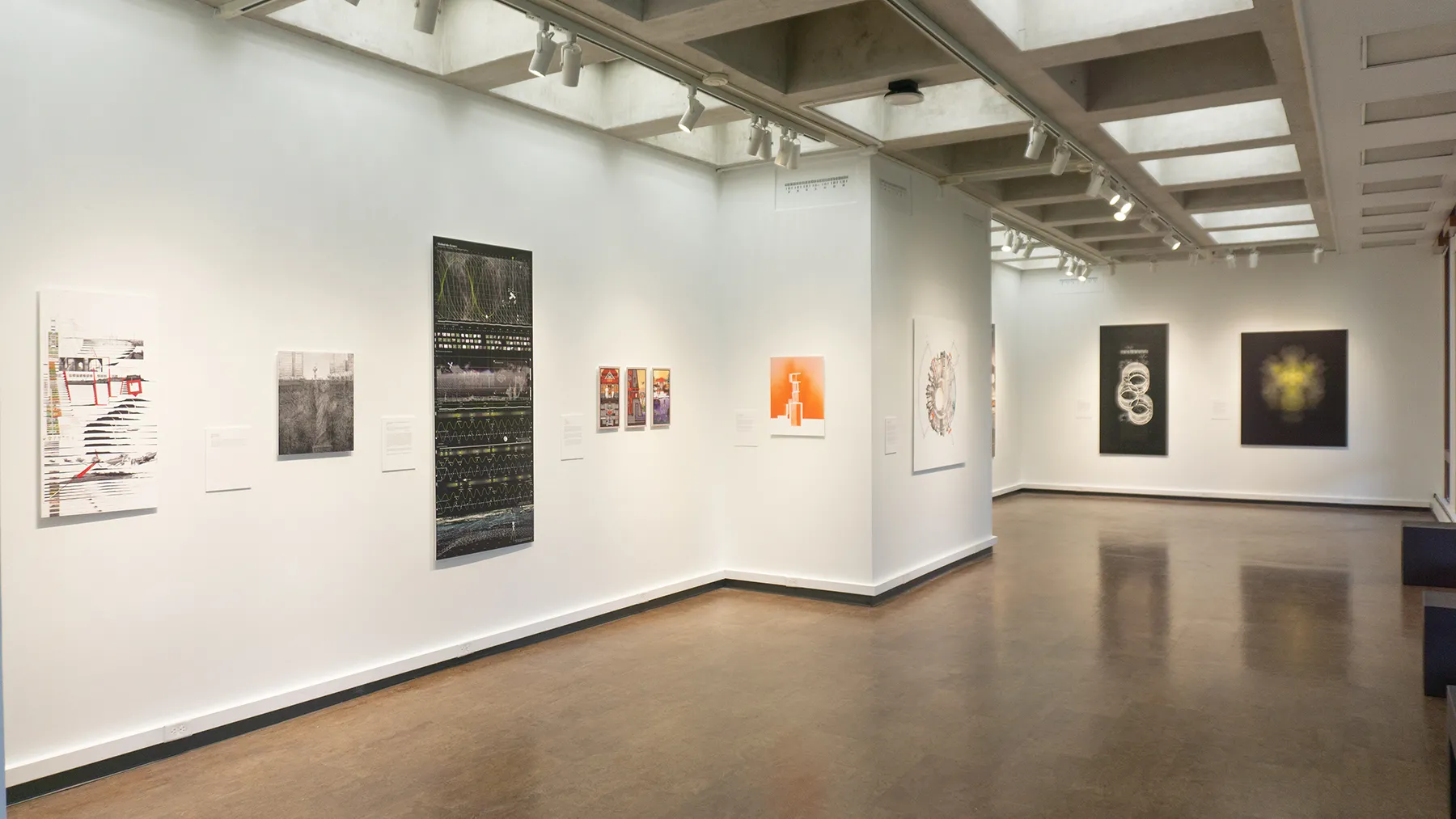
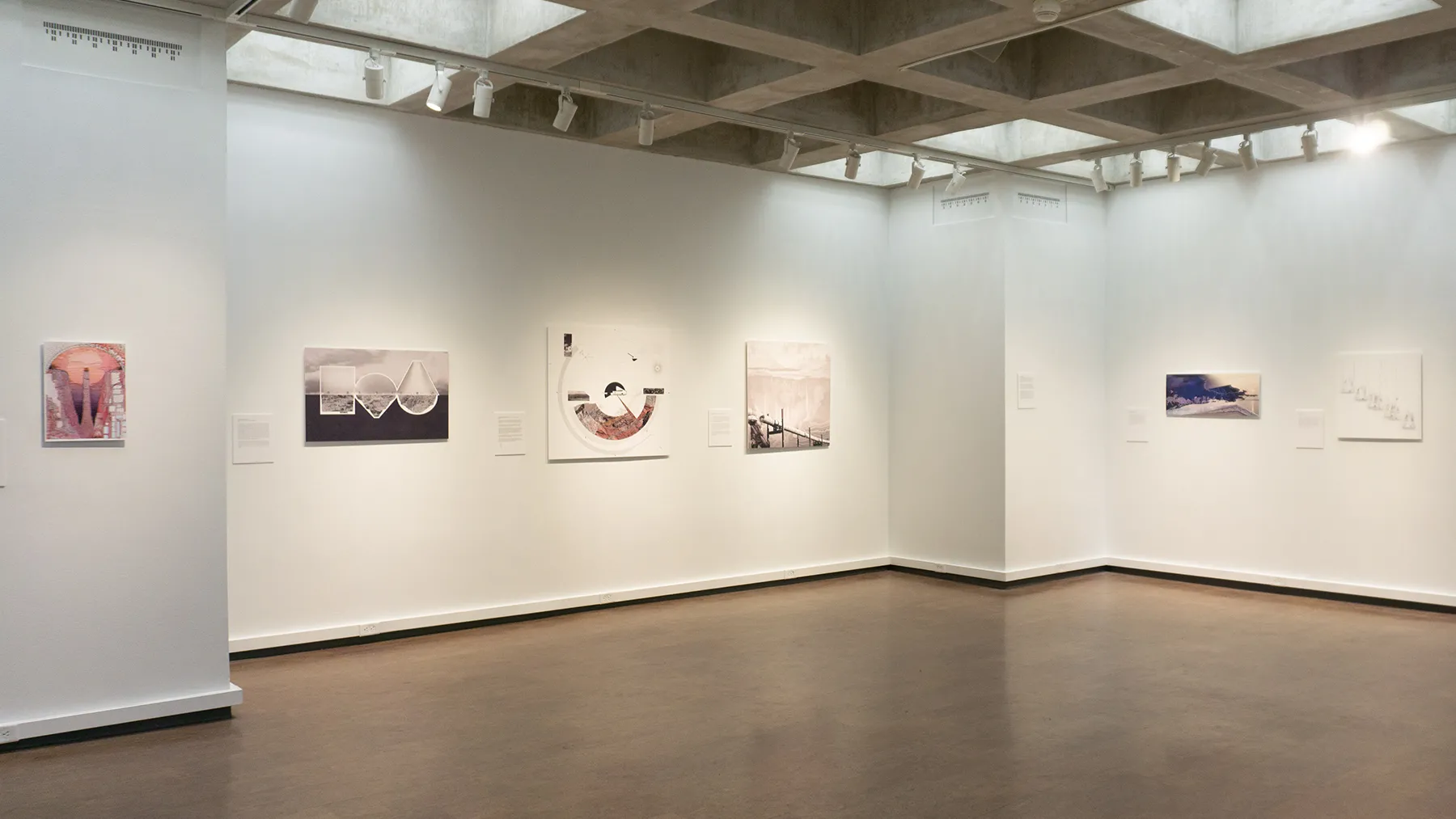
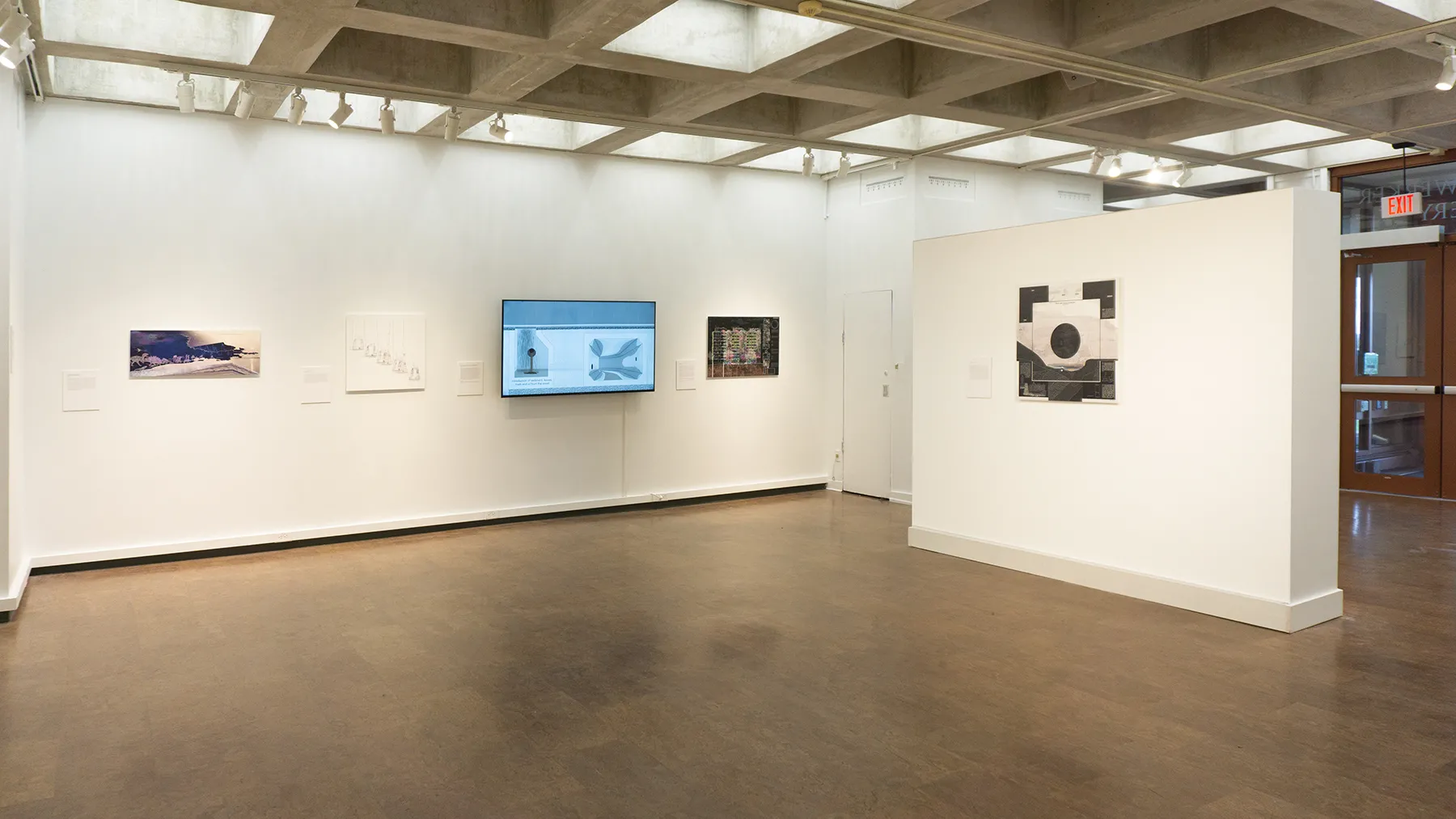
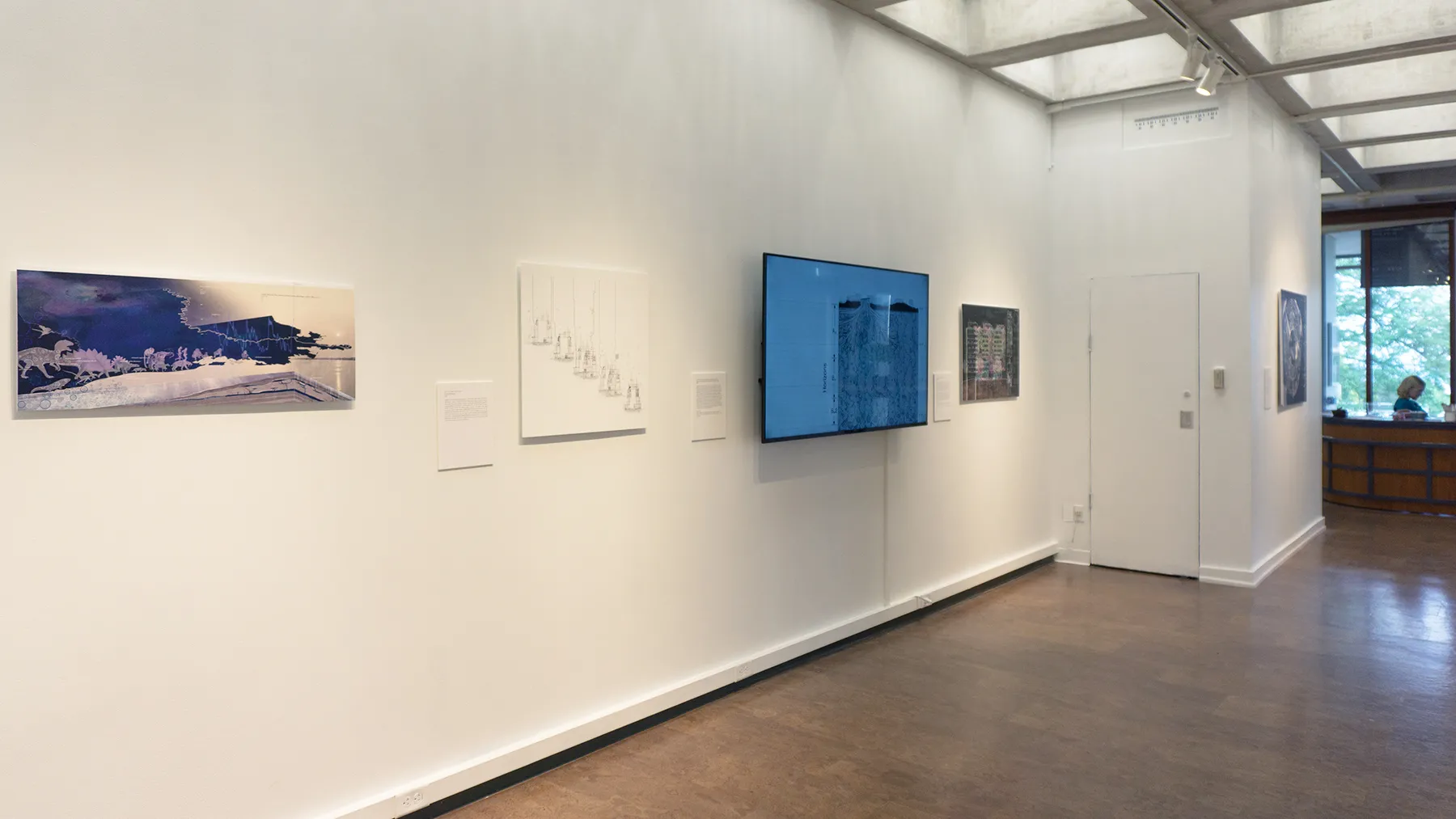
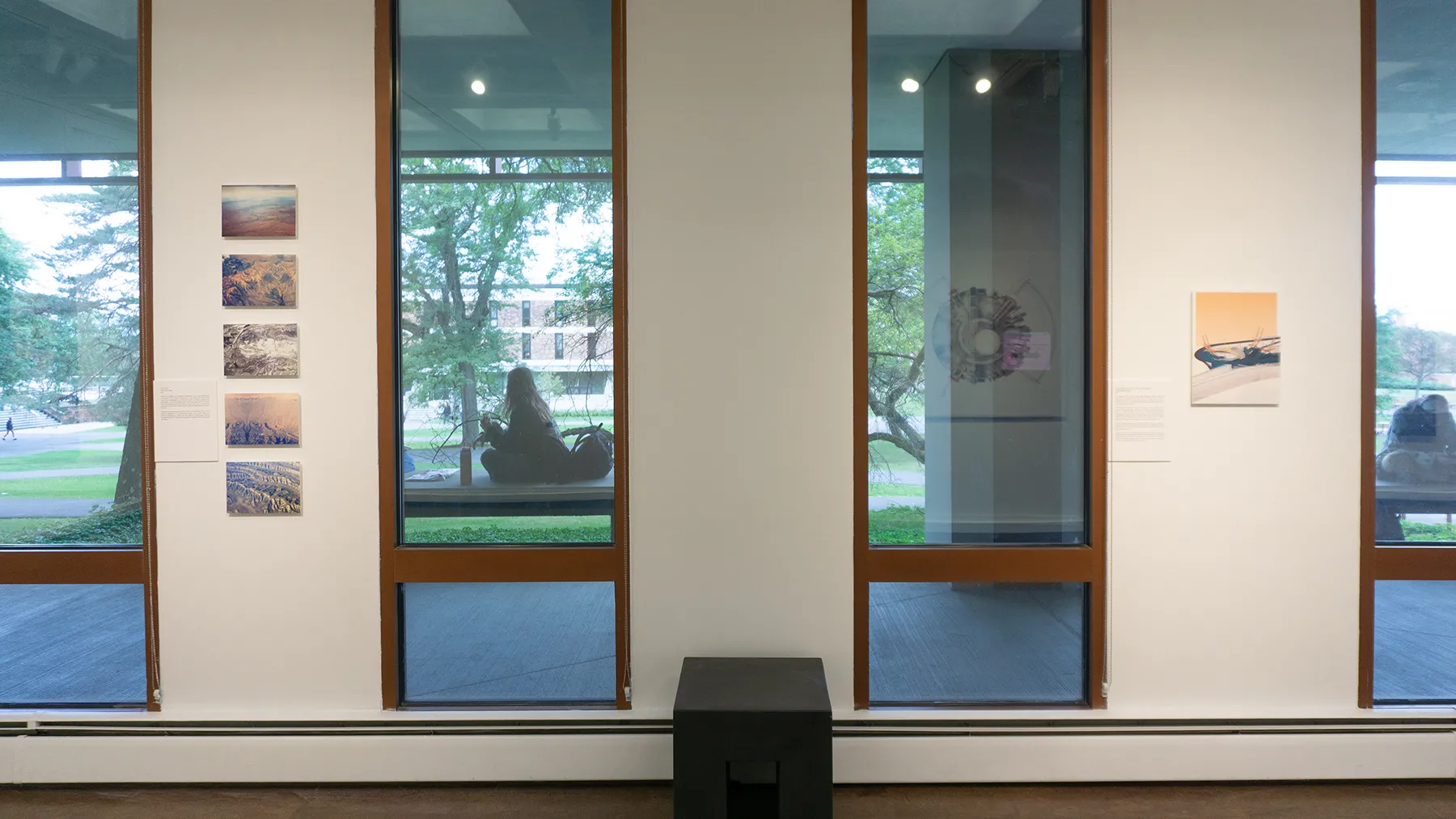
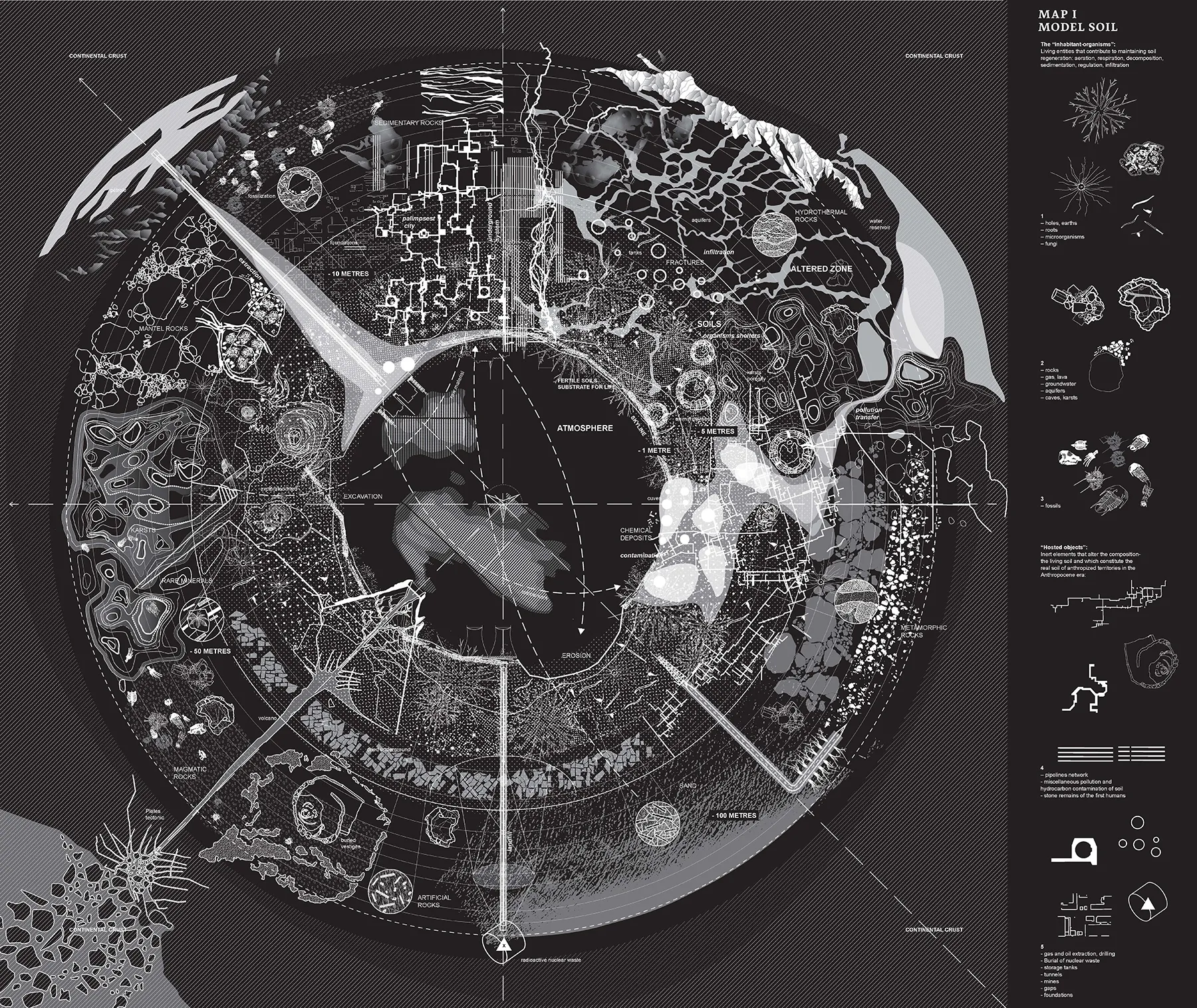
This exhibition assembles section drawings by contemporary architects and landscape architects depicting the real and imaginary relationships between the heavens and the earth. These two categories are broadly conceived to encompass phenomenon that include: the universe and the underworld, the environment and the economy, the atmosphere and the soil, the microscopic and the mythological, the ephemeral and the eternal, the scientific and the spiritual. In other words, it assembles sections that perform as cosmograms.
A section drawing represents a vertical slice through matter - either physical or ideological – that reveals the otherwise unseen spaces, strata, and structures that all things are made from. These things can be buildings, but they can also be planets, plants, philosophies, cells, cars, and cosmologies. No matter what they cut through, they depict a series of horizontal layers arranged one on top of another. While in architecture they are most often used as technical instruments, sections have a long history of harboring theatrical and allegorical content. The drawings in this show include examples of both, often in the same image.
A cosmogram is an image or object that represents the underlying organization of the universe according to a culturally and historically specific worldview. While they are most often associated with religion and the divine, they have long taken natural, scientific, and architectural forms. In short they attempt to imagine what remains unseen and unknown. There are many types of cosmograms. From mandalas to mountains, from cathedrals to caves, from astrolabes to axis mundi, from trees to telescopes, from paintings to planetariums, they always bind the past to the present and link the tangible with the intangible. Rather than eradicate religious content altogether, they often sublimate it within more materialist examples.
In combining section drawings with cosmograms, the work by these designers engages questions that societies have consistently asked, including: What are the forces that govern the relationship between heavenly bodies and the earth? What is the origin and extent of the universe? How have, how could, and how should humans orient themselves within these vast realms? How are natural and human histories intertwined and implicated with one another? These are very old questions, ones with both sacred and secular answers.
Connections between the cosmos and contemporary culture often focus on climatic concerns. Combining sections’ direct engagement with the earth and atmosphere, and cosmograms’ allusions to the realms beyond appearances has the advantage of engaging current problems from both a physical and mystical perspective. It recognizes that the unintended side effects of an ethos emphasizing reason, progress, and technology (side effects such as pollution, poverty, and political violence) cannot be undone with just more of the same. The disciplined yet wild drawings on display remind us that in addition to inventing new machines and codes, we need new myths and cosmologies to envision and erect new worlds. They show us that in addition to scientific and social facts, we require new visions and allegories to make our ecological and political futures legible and desirable to our senses and our psyches.
Sections as cosmograms are an ideal medium to engage these issues. As seen here, they can simultaneously present cultural and natural histories. They are at once technical and theatrical, literal and magical. The variety of forms they come in, including the conventional two-dimensional versions, hybrid types such as chunk models, collages, section-perspectives, section-animations and section-axons allow them to incorporate a myriad of real, imaginary, and symbolic phenomenon in a singular image. Across the exhibition, and often individually, they mix the factual and the fantastic in ways that stretch the traditional section to its limits in order to tell new stories about the Heavens and Earth.
The drawings assembled in this show are grouped according to strata that extend vertically out from the center of the earth through its geological, hydrological, biological, atmospheric and astrological zones. While each area and each drawing emphasize one of these layers, the others are always directly or indirectly present. Their inclusive if not excessive nature speaks both to the cosmogram’s desire to capture the entire universe in a single image, and the section’s capacity to explain what otherwise remains obscure and invisible. Like a painting by J.W.M. Turner or a diagram by Alexander von Humbolt from the 19th century, the immediacy and everything-all-at-once sensibility of these drawings threatens to overwhelms one’s senses. Only after scanning their surfaces multiple times can one decipher and digest their intricate elements and meanings. Like all good cosmograms - scientific, religious, or aesthetic - they seek to capture one’s imagination, one’s reason, and one’s dreams.