-
A religious studies degree sets you up to succeed in law, journalism, media production, politics, academia, education, social work, community activism, or ministry.
-
Learn to think, write, and speak critically and effectively about complex issues of vital importance to domestic and world affairs.
-
Develop a critical but empathetic understanding of what matters most to your fellow human beings.
-
Gain a nuanced perspective on why your society behaves the way it does and why it assumes certain things to be “true”.
-
You already have a major that will help you survive and are looking for a second major that will enable you to truly live .
-
Attain a deeper appreciation about your and others’ traditions (if you identify as religious).
-
Broaden and deepen your appreciation for the different ways in which different communities of people, past and present, have imagined what it means to be human.
-
Because religious studies is interdisciplinary, it trains you to explore the world in which you live from many different perspectives simultaneously.
-
As the United States becomes increasingly diverse, it is imperative that we educate ourselves about the different religious traditions that make up our society.
-
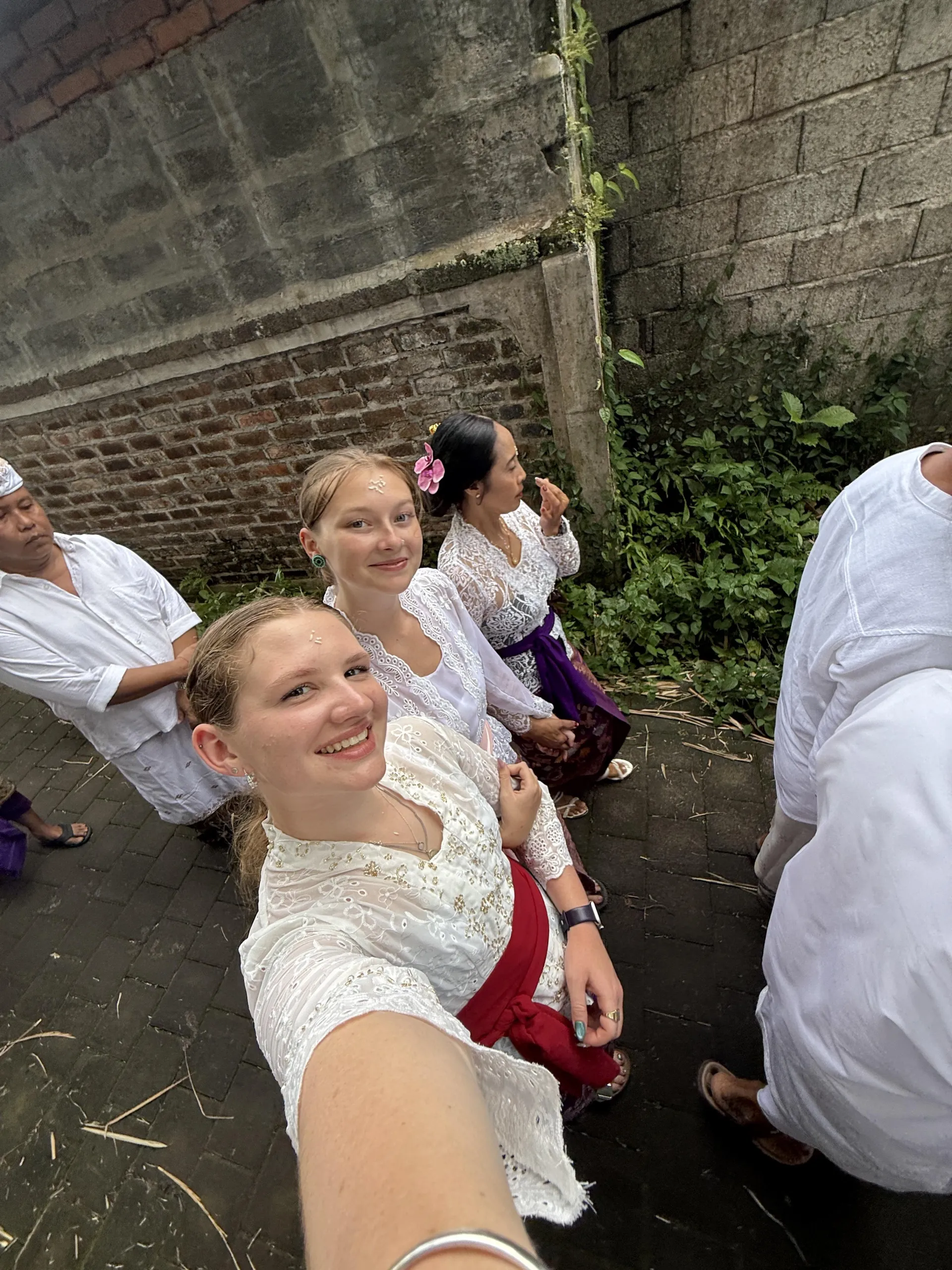
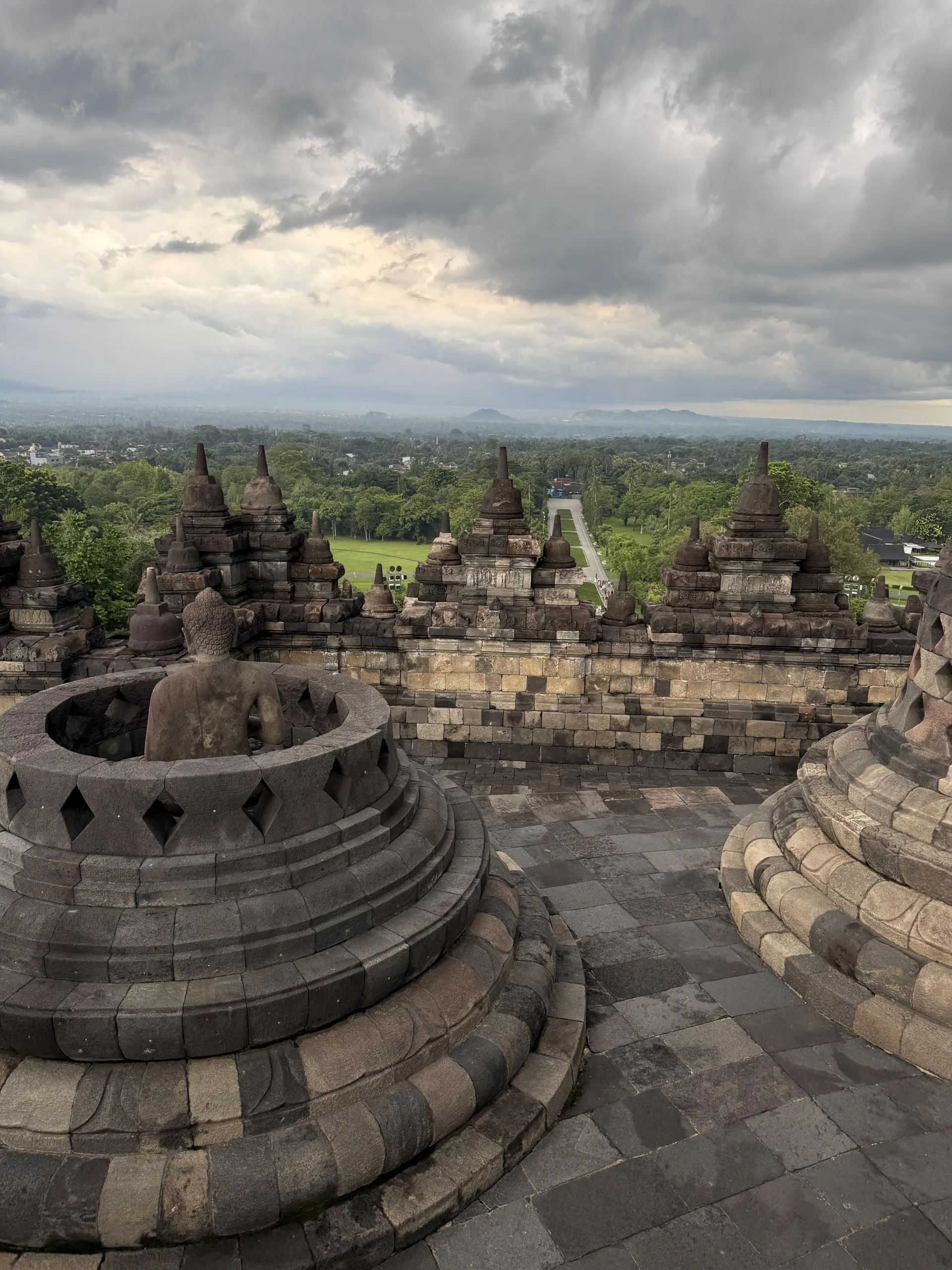
Studying religion often takes you to unexpected places. See some pictures below from Bianca Cunningham's (class of '27, religion and documentary studies double major) trip to Bali, where she studied Buddhist, Hindu, Islamic, and animist traditions.