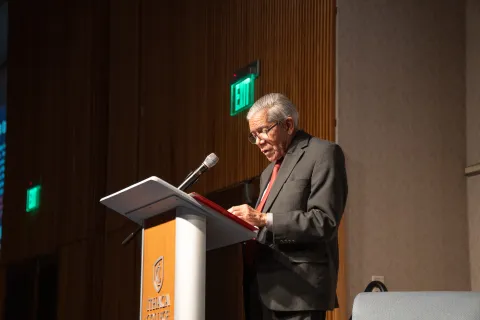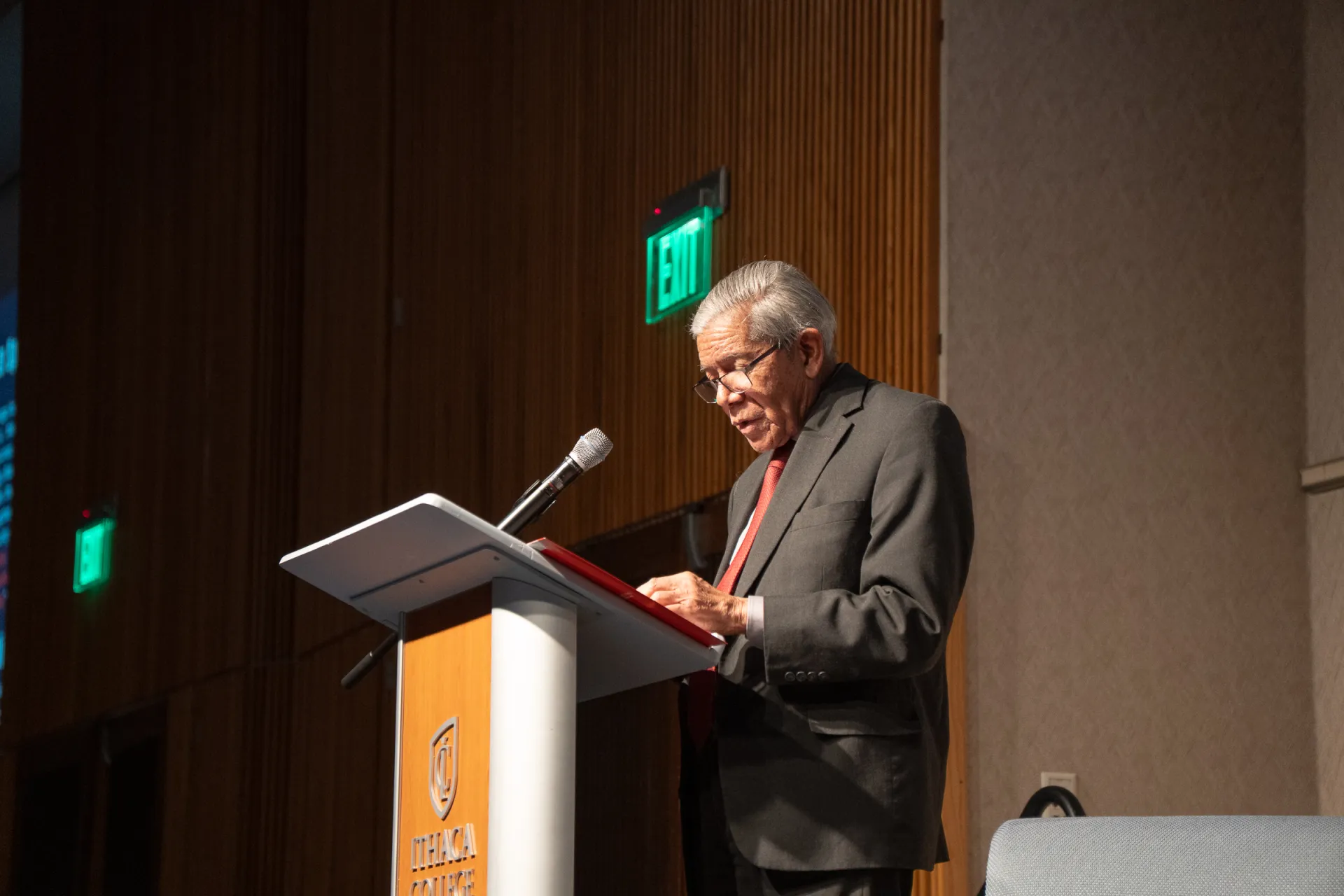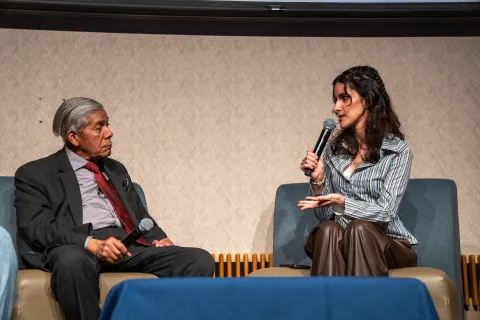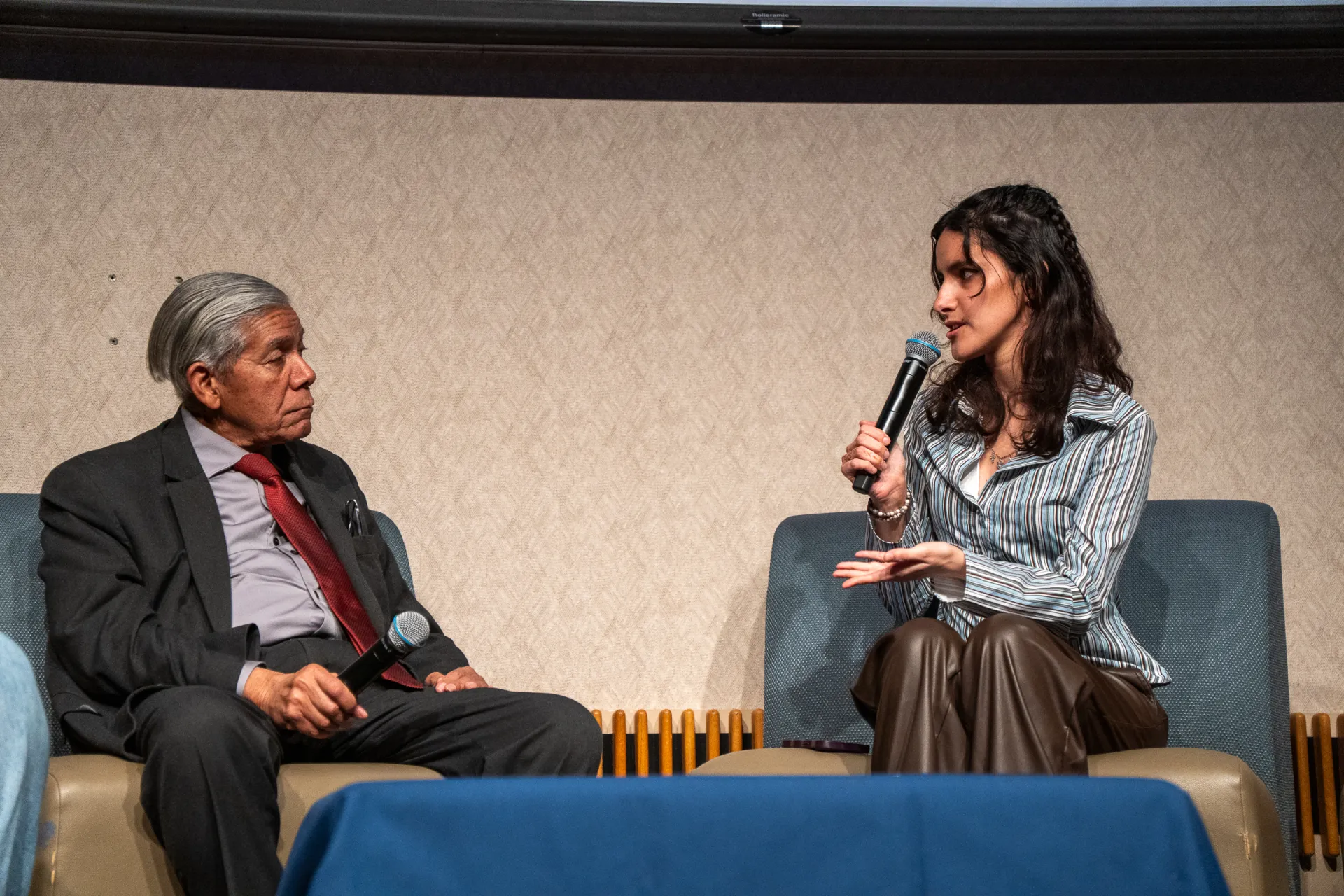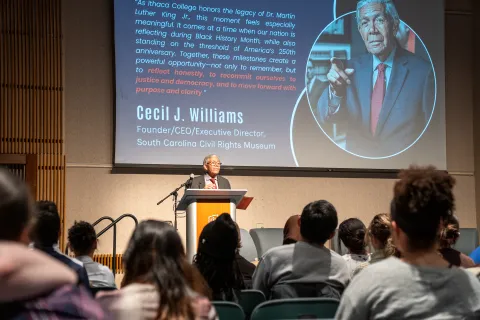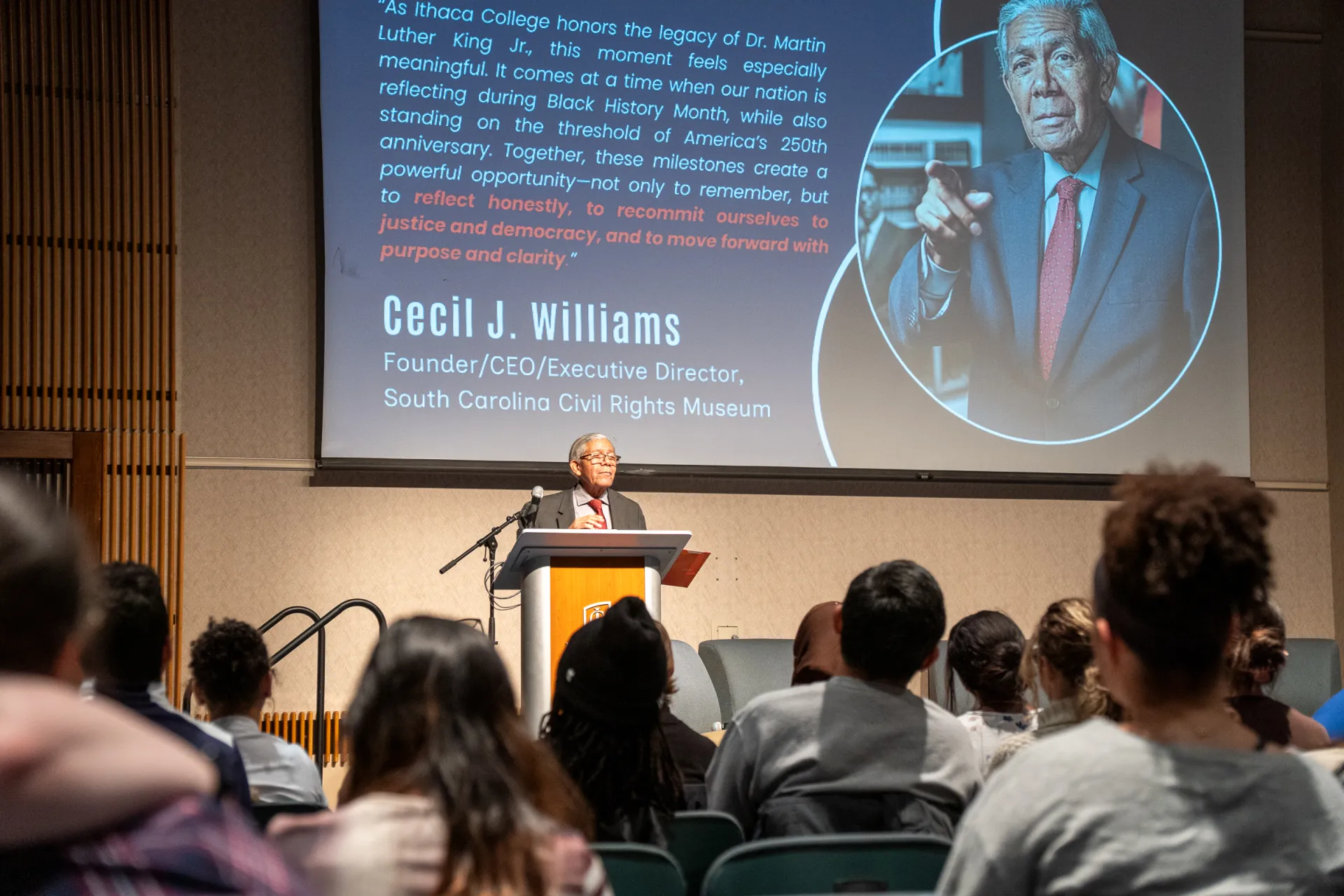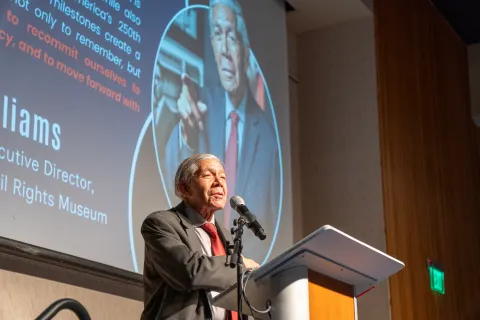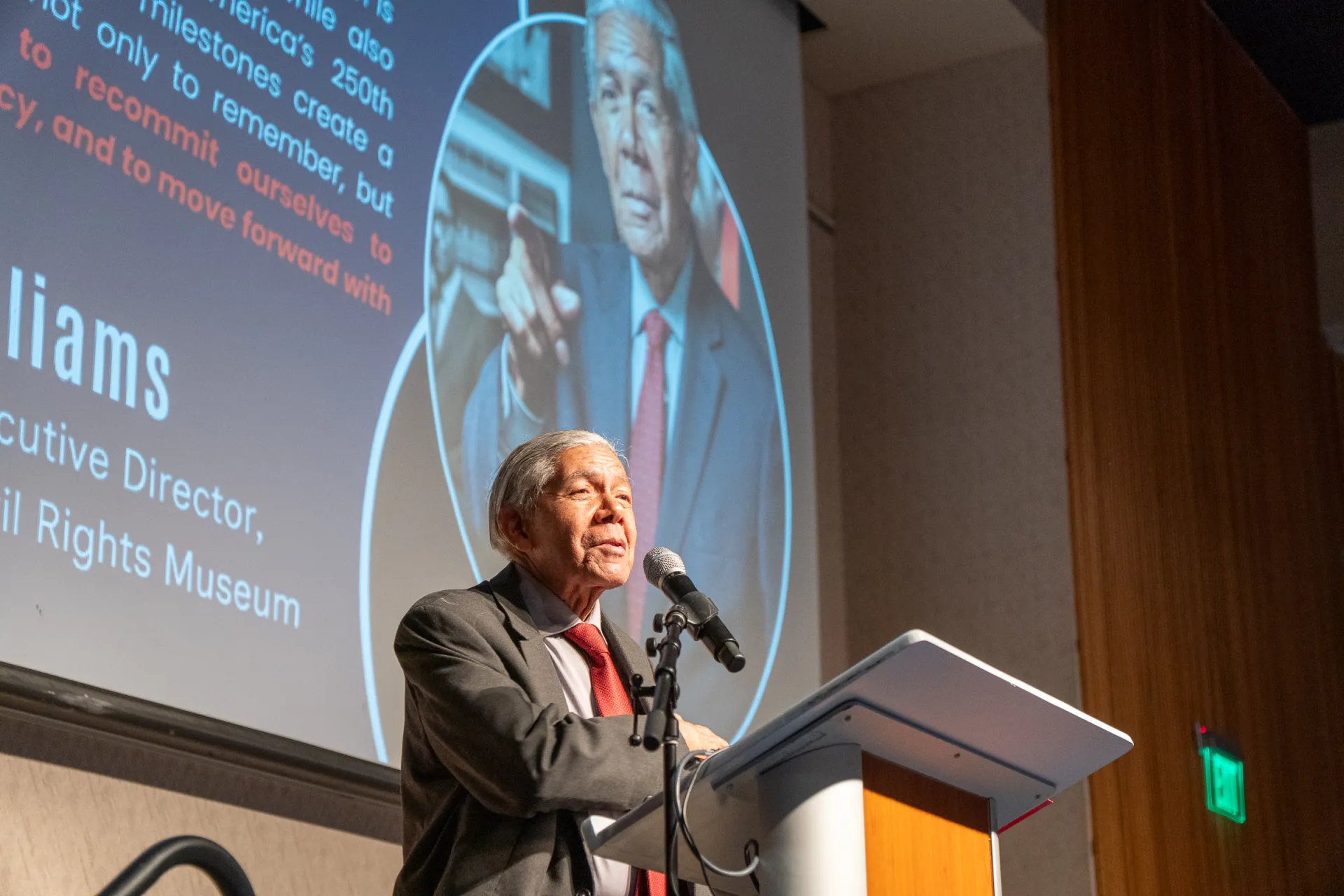
Biography:
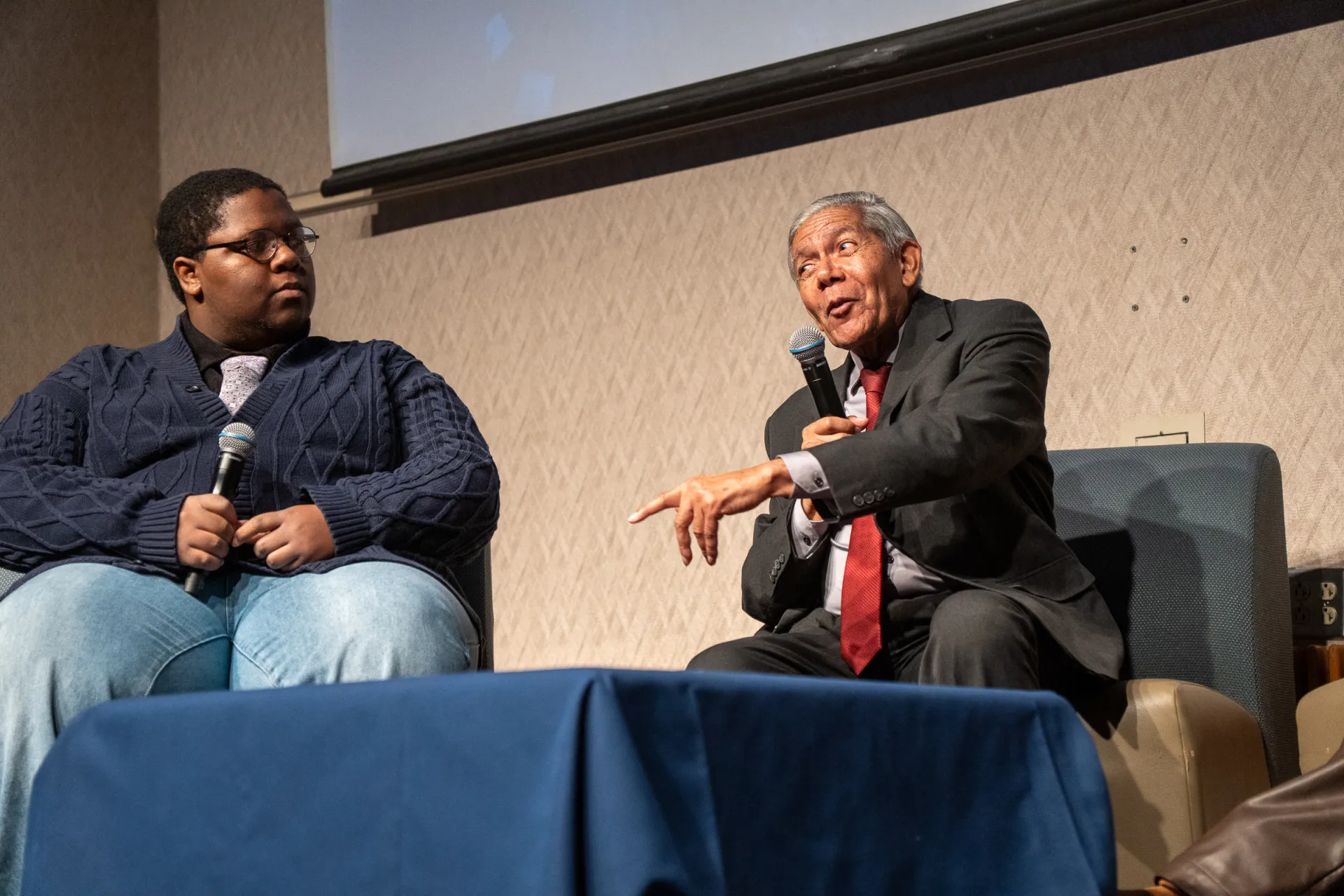
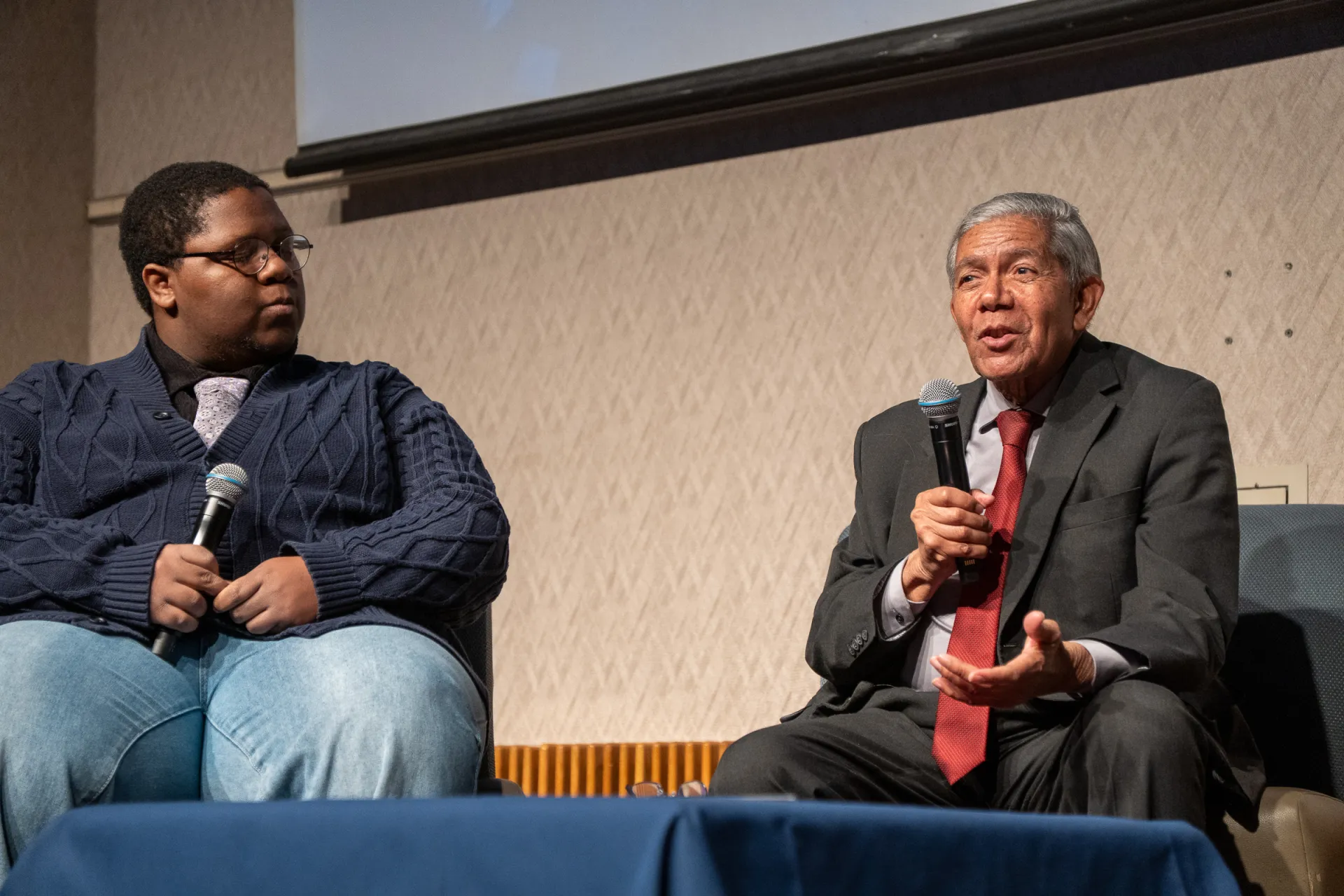
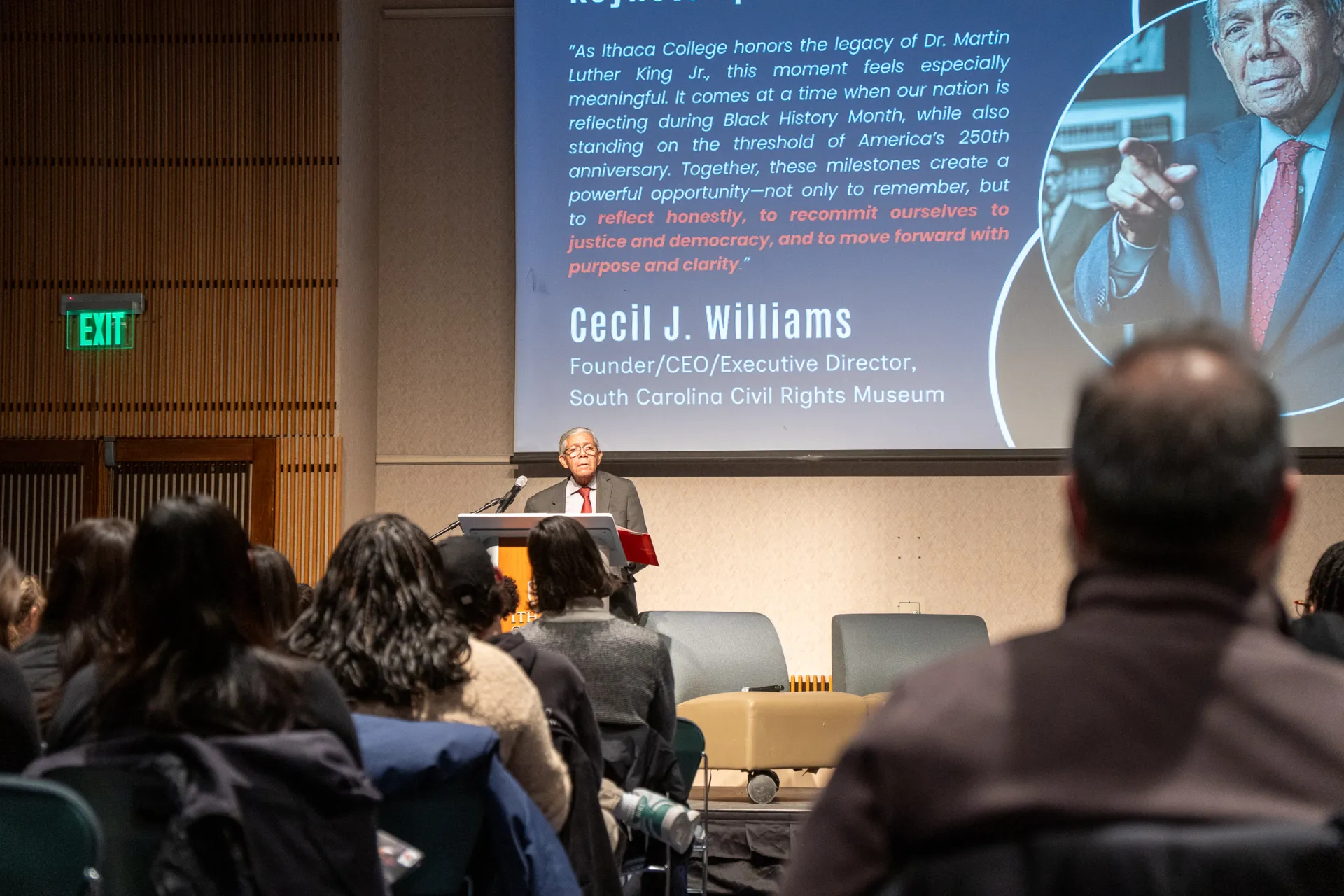
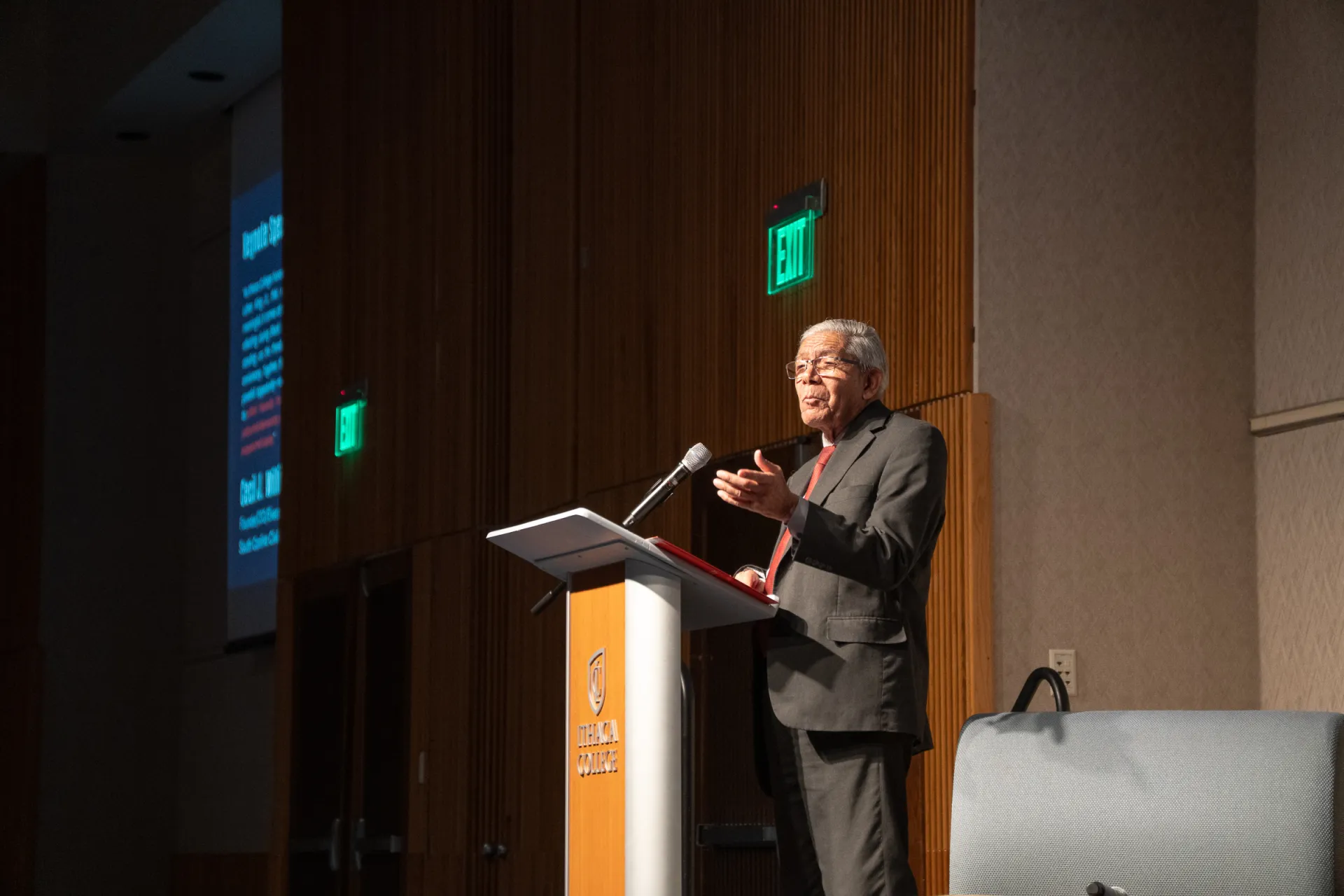
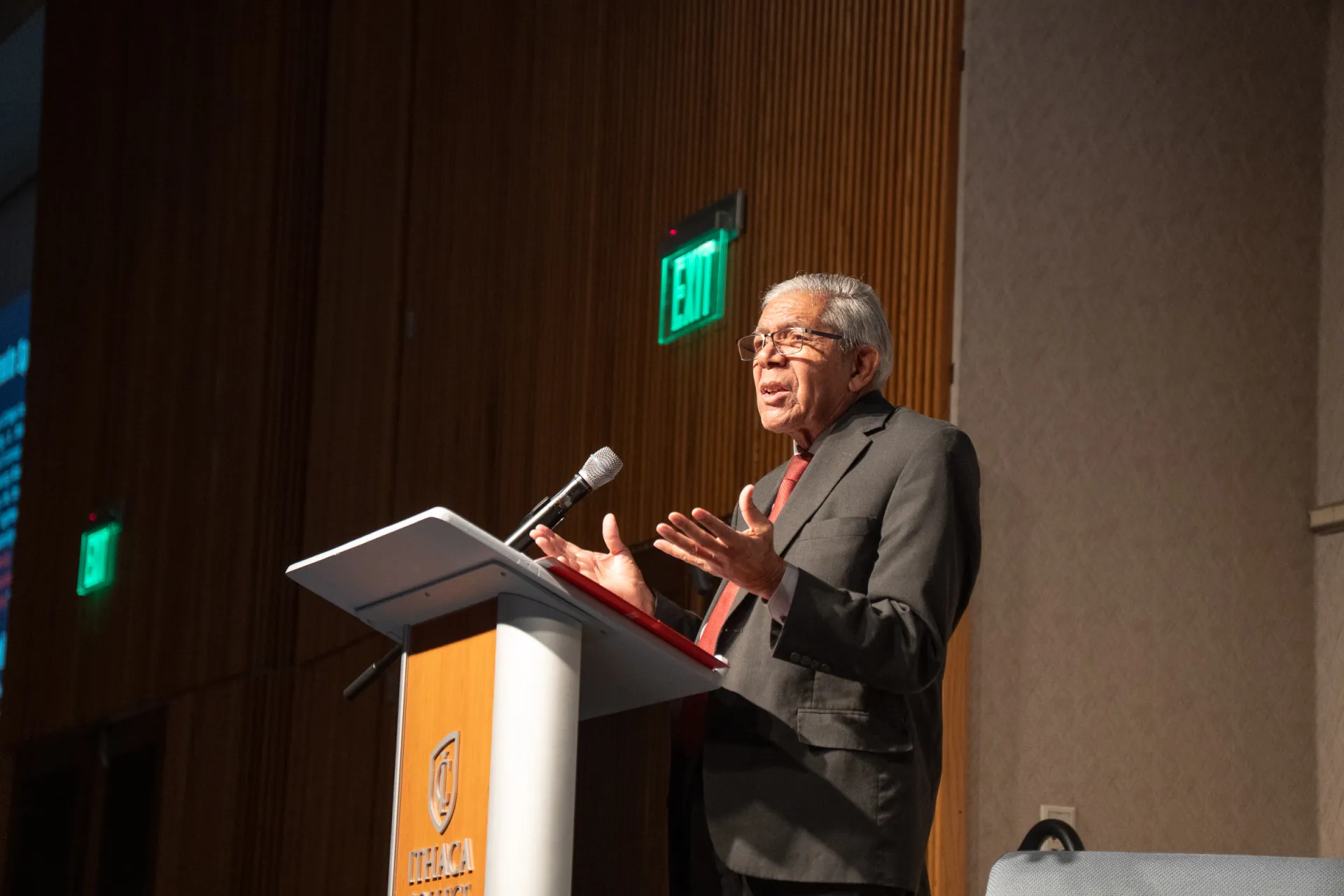
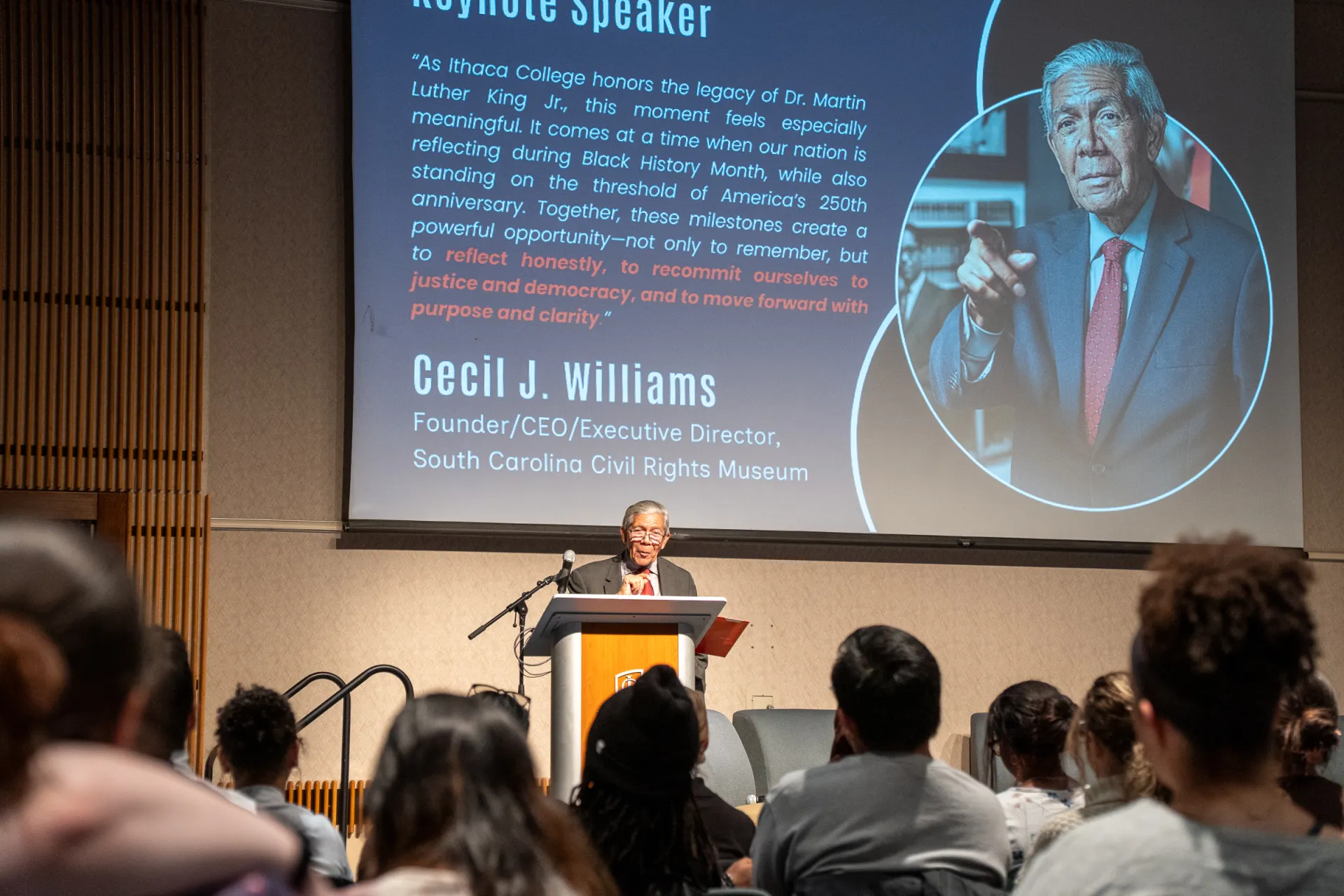
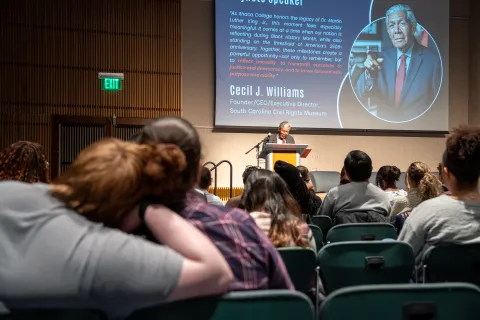
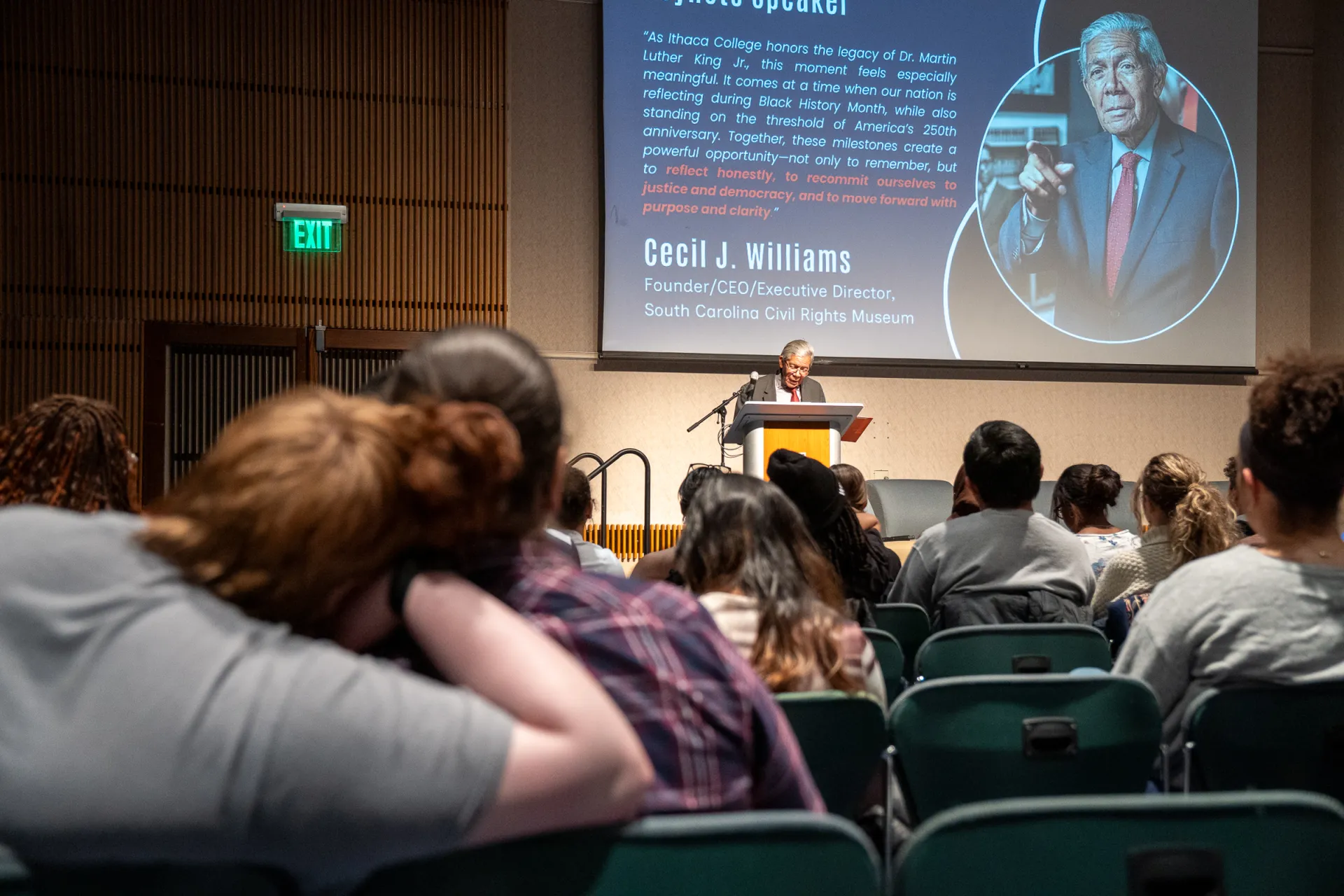
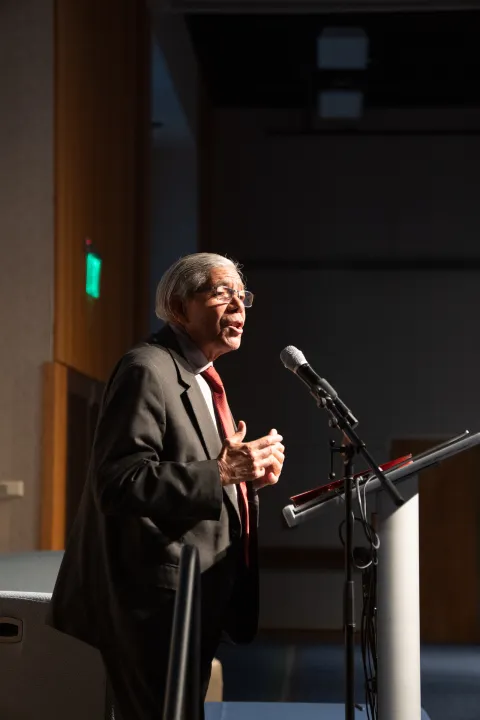
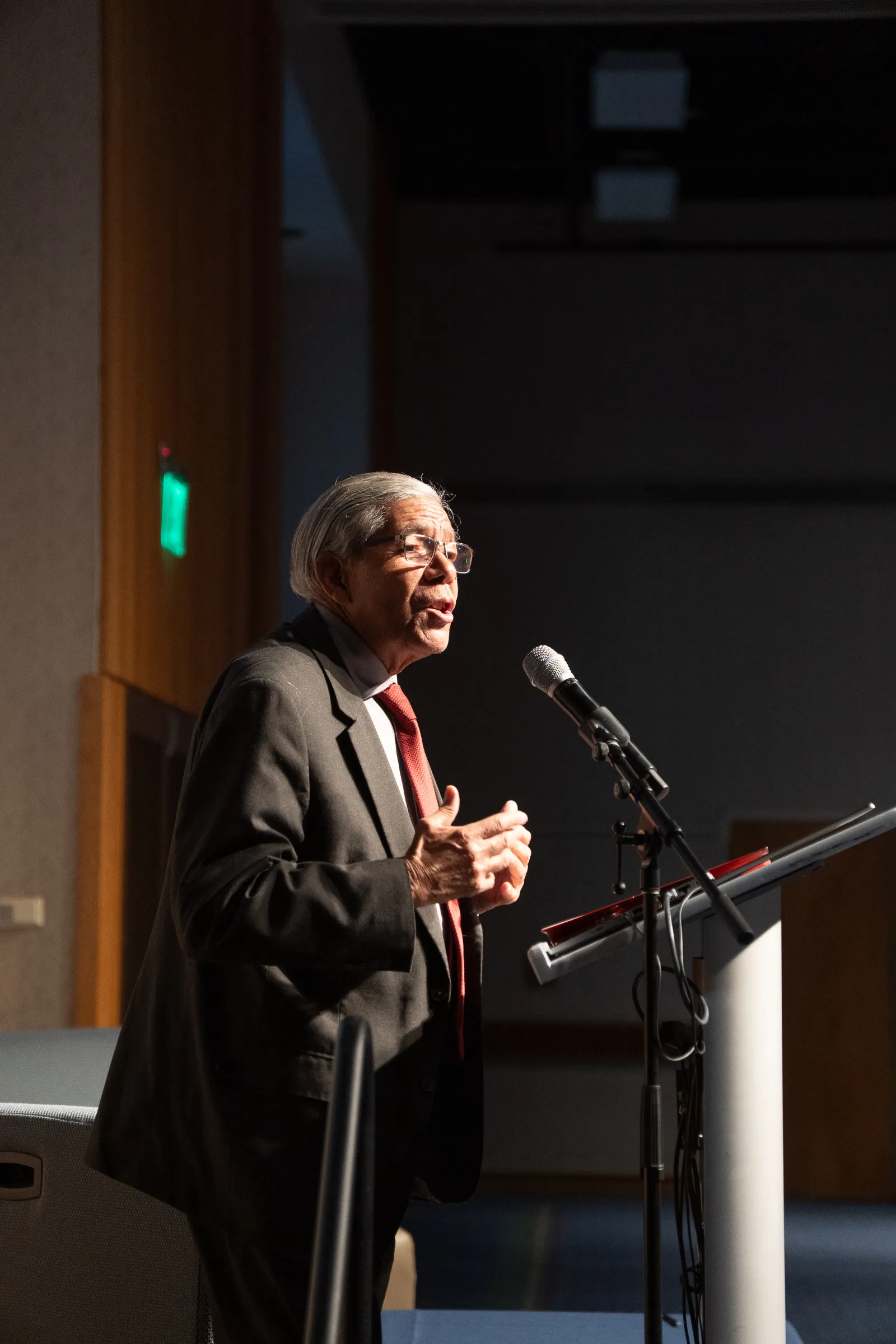
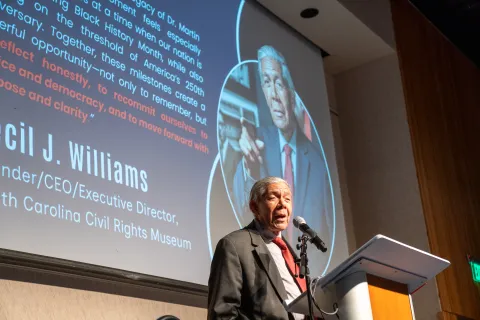
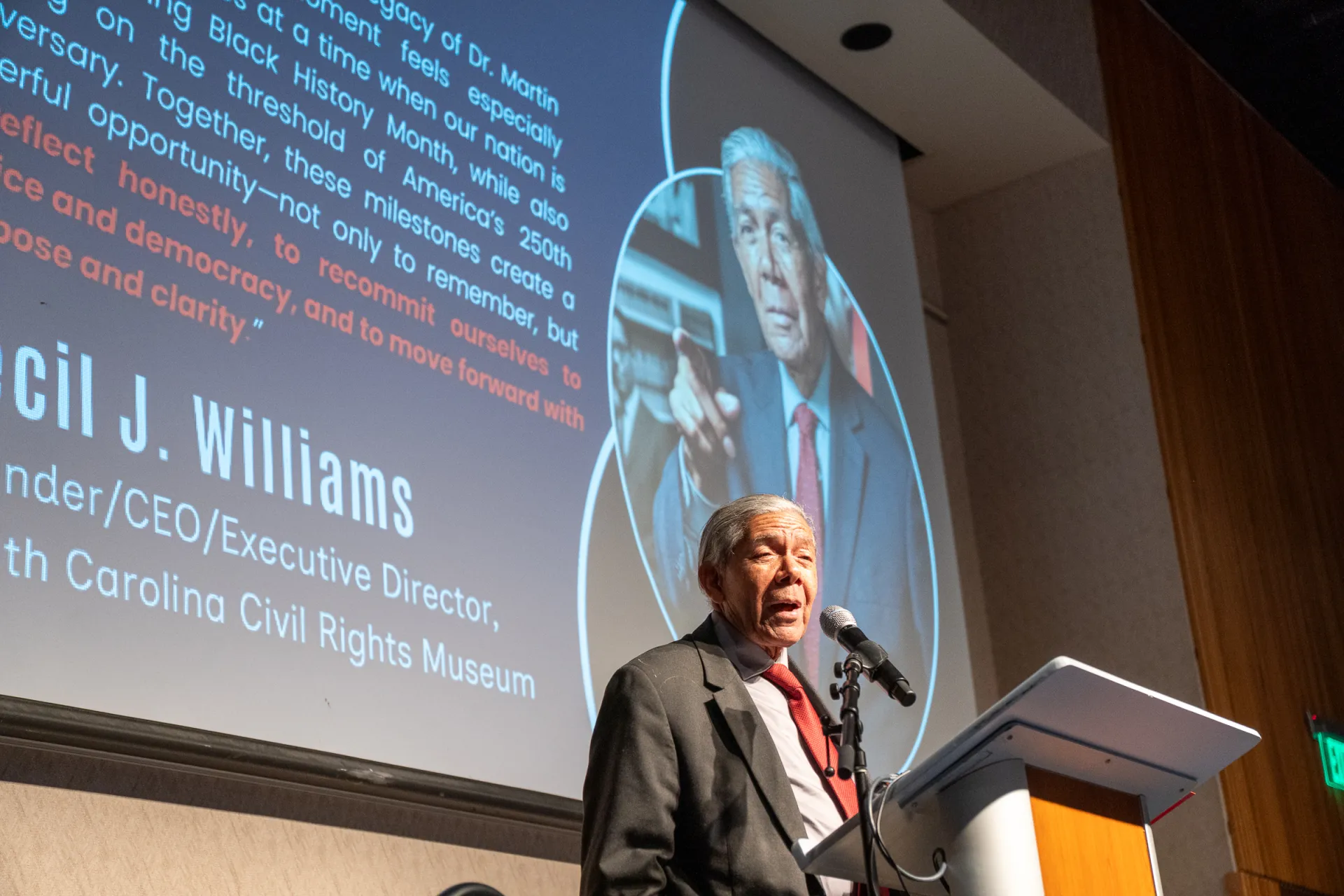
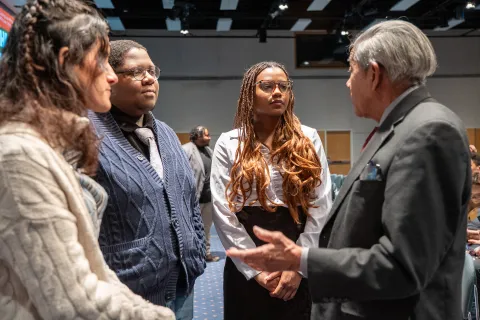
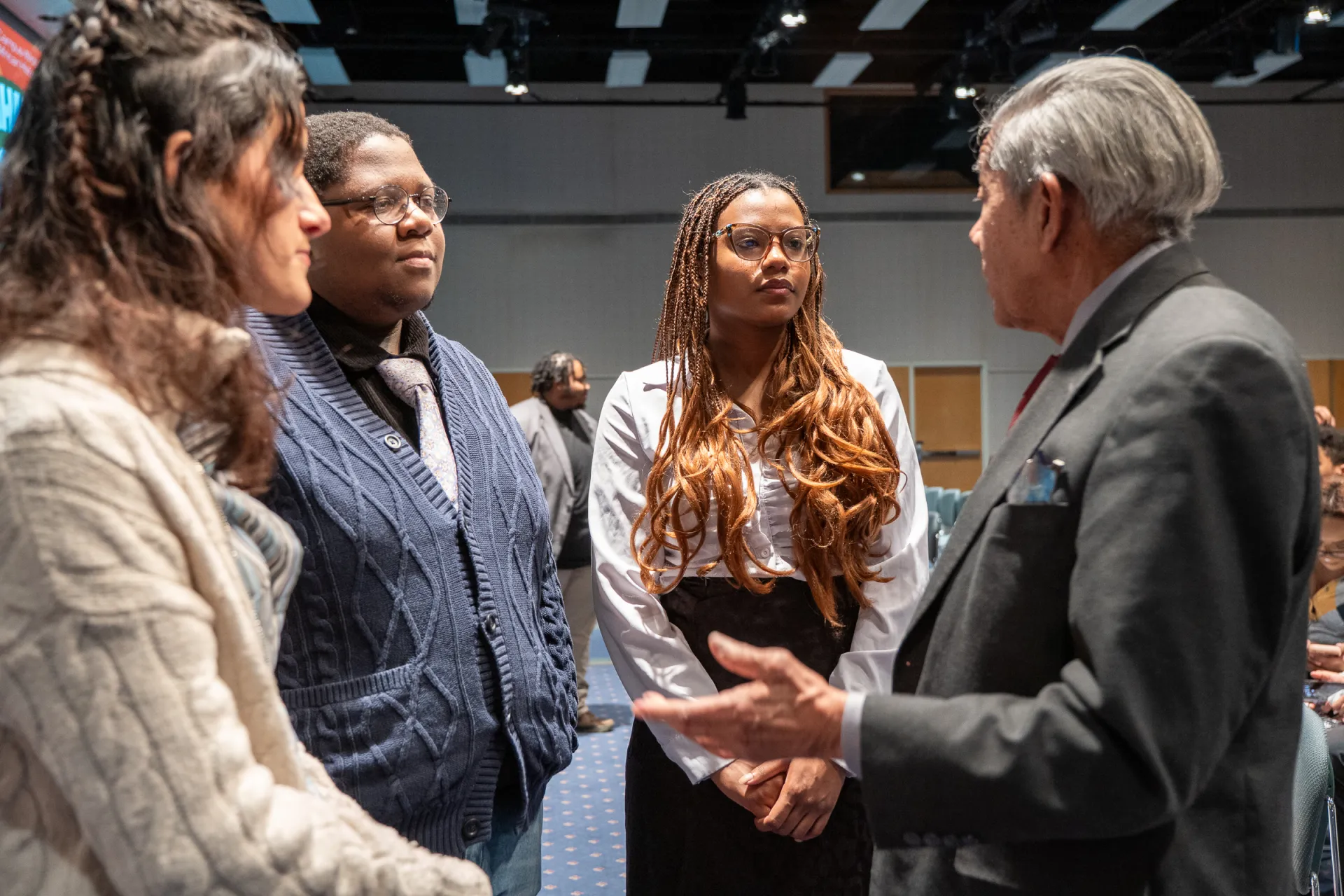
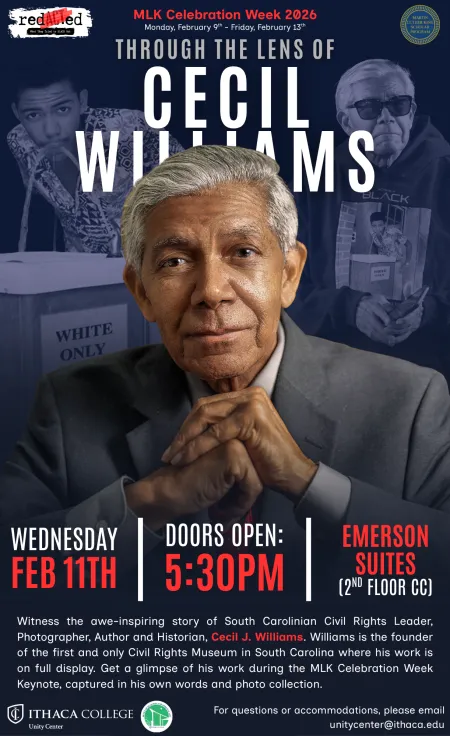
For over five decades, Cecil J. Williams has been documenting the civil rights movement in South Carolina and throughout the American Southeast. Beginning in the 1950s, he and his camera have occupied strategic vantage points to capture numerous events of national significance.
Born and raised in Orangeburg, South Carolina, young Williams's passion for photography began with a hand-me-down camera from his older brother. By age 11, he was chronicling family celebrations, weddings, and community events. When Williams's mentor, a local photographer named E. C. Jones, was hired by the NAACP to cover events related to Briggs v. Elliott, one of the five cases grouped into Brown v. Board of Education, Williams got his introduction to civil rights photojournalism. At 14, he was freelancing for Jet Magazine, while also contributing to news outlets such as the Baltimore Afro-American, the Pittsburgh Courier, and the Associated Press. In his words, he soon found himself "in the middle of a revolution."
In 1968, Williams documented the Orangeburg Massacre, a deadly encounter between armed law enforcement and unarmed Black segregation protesters at South Carolina State University, two years before the more publicized shootings of white protesters at Ohio's Kent State. In that landmark year of '68, Williams also covered Harvey Gantt's fraught integration of Clemson University, the presidential campaign of John F. Kennedy, and other pivotal civil rights events. His benchmark photographs speak volumes in his eyewitness book Freedom & Justice: Four Decades of the Civil Rights Struggle as Seen by a Black Photographer of the Deep South.
Williams's work has been published in hundreds of books, newspapers, and television documentaries, notably The World of Cecil, produced by Beryl Dakers for South Carolina Public Television. In it, "Williams emerges not only as a photographer but also as a multifaceted innovator, historian, artist, inventor, architect, and solar energy pioneer."
In 2019, he co-founded The Cecil Williams Civil Rights Museum, which now houses thousands of his photographs and artifacts.
He describes it as "a tranquil place rich in the history of struggle and transformation; a place to reflect on the civil rights movement, to honor those injured and killed during the struggle; to appreciate how far our state and country have come in its quest for equality, and to consider how far it has to go."
"The proceeds will be used to enhance facilities, acquire historic artifacts, and provide us with an unstoppable momentum," he asserts. "Without a museum of the type I have created, the pioneering contributions and wisdom of countless minds, hearts, and lives would be lost."
Williams is now the director of historic preservation at his alma mater, Claflin University in Orangeburg. In May 2023, he was awarded an honorary doctorate of humane letters by Paul Quinn College in Dallas, Texas.
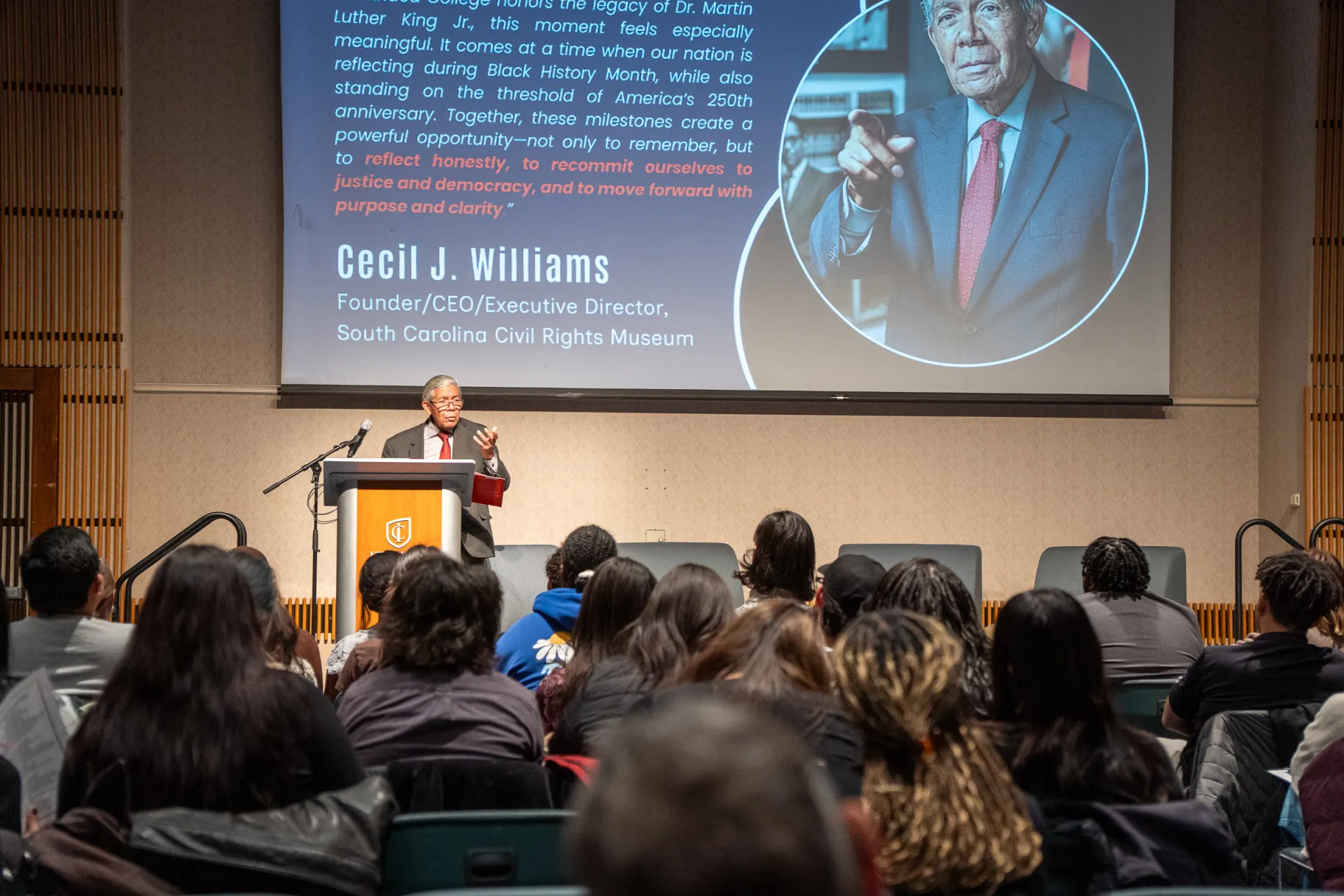
Founder/CEO/Executive Director: SC Civil Rights Museum Author: Freedom & Justice; Out-of-the Box in Dixie: Orangeburg 1968; Unforgettable; Inventor: the Filmtoaster; Honorary Degrees: Paul Quinn College, Dallas, Texas; Ecumenical University, Columbia, SC. Recipient: Governor's Vernor Award, Order of the Palmetto, NABJ Hall of Fame Inductee, SC Preservation of Service Award, SC African American Preserving Our Place in History, Claflin University Bythewood Award