Plan your schedule for Spring 2027
- Meeting times:
- Monday/Wednesday, 12-1:15PM
- Friday, 12-12:50PM
- Instructor: Dr. Sean Eversley Bradwell
- Prerequisites: None
- Enrollment: 30
- Credits: 4
Course Description
Introduces students to key concepts in culture, race, and ethnicity studies. Drawing from cultural studies, comparative ethnic studies, and gender and sexuality studies, it investigates how racial and ethnic identity politics shape institutional and social policies, cultural expressions and aesthetics, and resistance movements. Particular attention will be paid to the ways communities of color have negotiated oppression, generated knowledge, and secured dignity and self-determination.
- Meeting times: Monday/Wednesday, 2-3:40PM
- Instructor: Dr. M. Nicole Horsley
- Prerequisites: None
- Enrollment: 20
- Credits: 4
What Happens when Black Feminism gets on the mic?
And who is heard, desired, protected, criticized--or left out of the conversation?
Course Description
Hip Hop Feminism examines how Black women and queer artists use lyrics, sound, performance, fashion, dance, music videos, and popular culture to confront gendered power. Beginning with early writings by Black women, we consider Hip Hop feminism’s emergence, contributions, contradictions, and blind spots.
We will study pleasure, sexuality, misogynoir, masculinity, femininity, labor, beauty, respectability, queerness, celebrity, capitalism, and refusal, We will also ask how a culture created through collective expressions and community survival became a global industry--and what feminist accountability requires from its artists, audiences, institutions, and origin stories.
Rather than treating Hip Hop only as music or entertainment, we approach it as a site of theory, cultural memory, political struggle, knowledge production, and movement work.
The Central Questions
- Why is Hip Hop feminism still necessary?
- Can Hip Hop feminism center Black women, femmes, and queer and trans people while also transforming Black masculinity and inviting men into feminist struggle?
- What happens when a culture grounded in community, creativity, and survival becomes a commercial product?
- Who gets to represent sexual freedom--and who pays for that representation?
- What political and activist work should Hip Hop feminism be doing now?
- What does Black queer feminism reveal that earlier Hip Hop feminist frameworks could not--or would not--address?
A note on the course
This course does not presume that Hip Hop feminism speaks for every Black woman, femme, or queer person. We examine it as a living--and necessarily unfinished--framework that must remain accountable to the people it claims to represent.
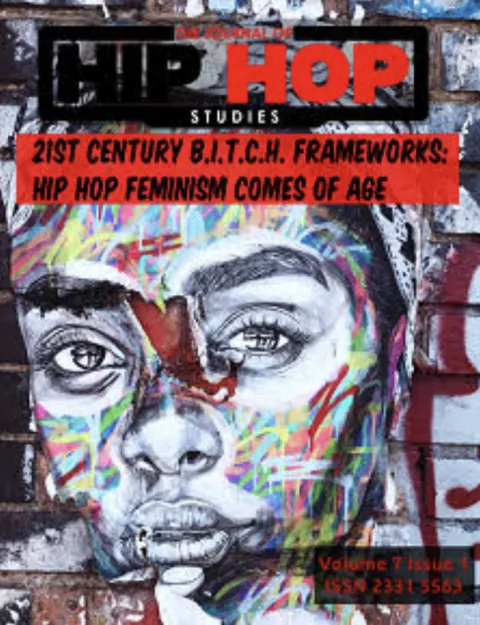
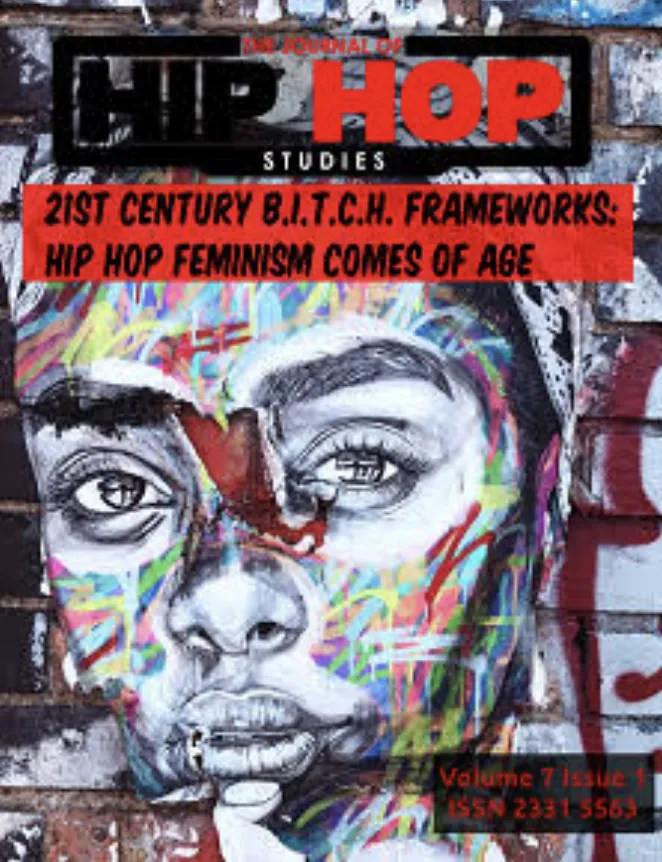
Journal of Hip Hop Studies, Hip Hop Feminism Issue, “The Starter Kit” by Professor M. Nicole Horsley
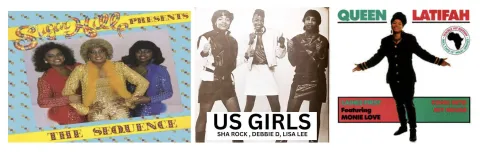
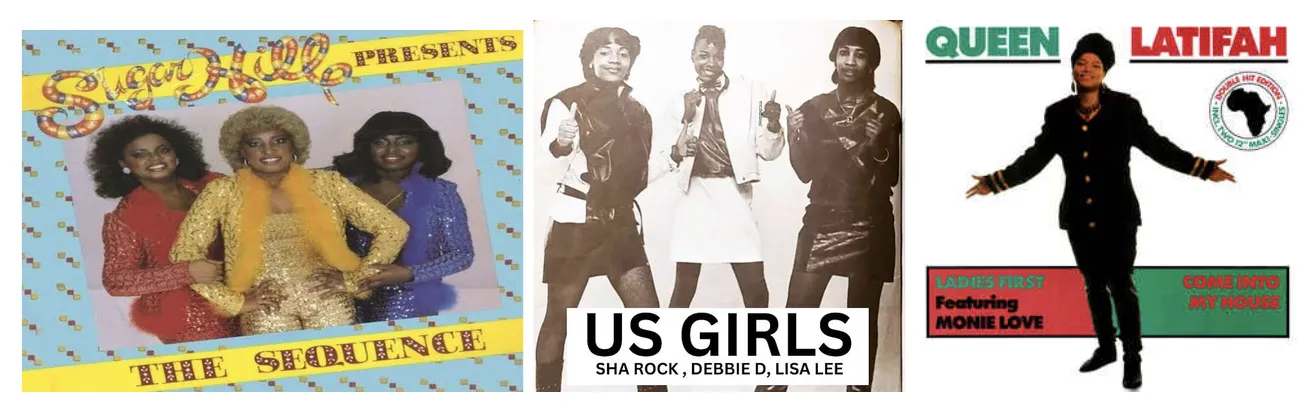
The Golden Era of Hip Hop
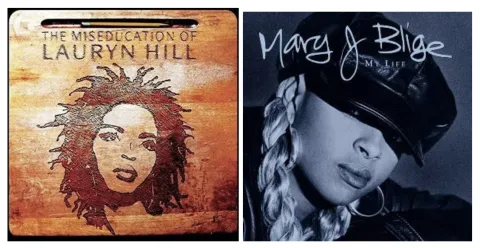
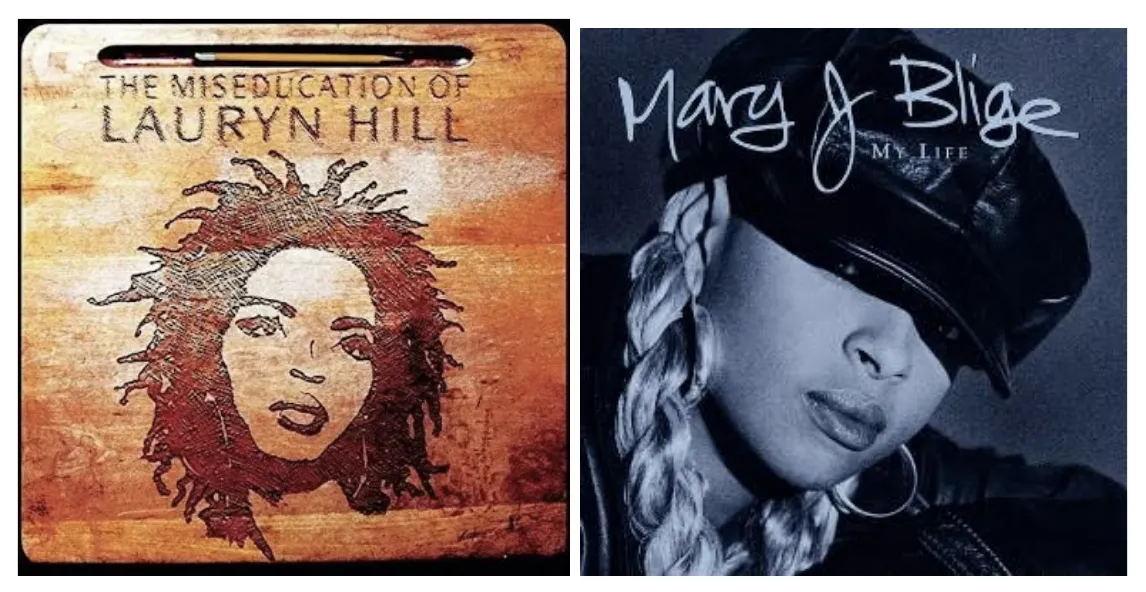
The Golden Age of Hip Hop
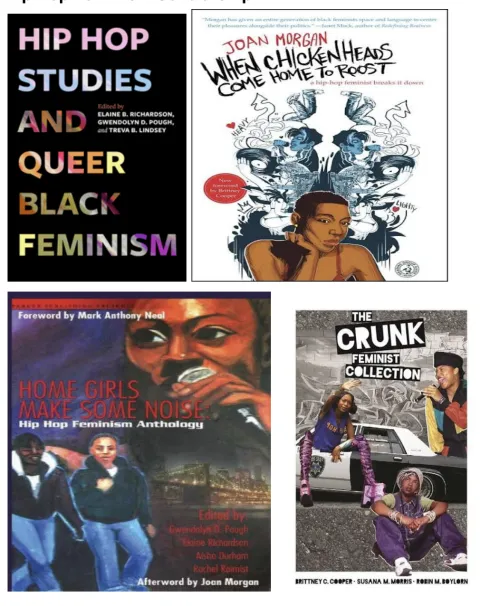
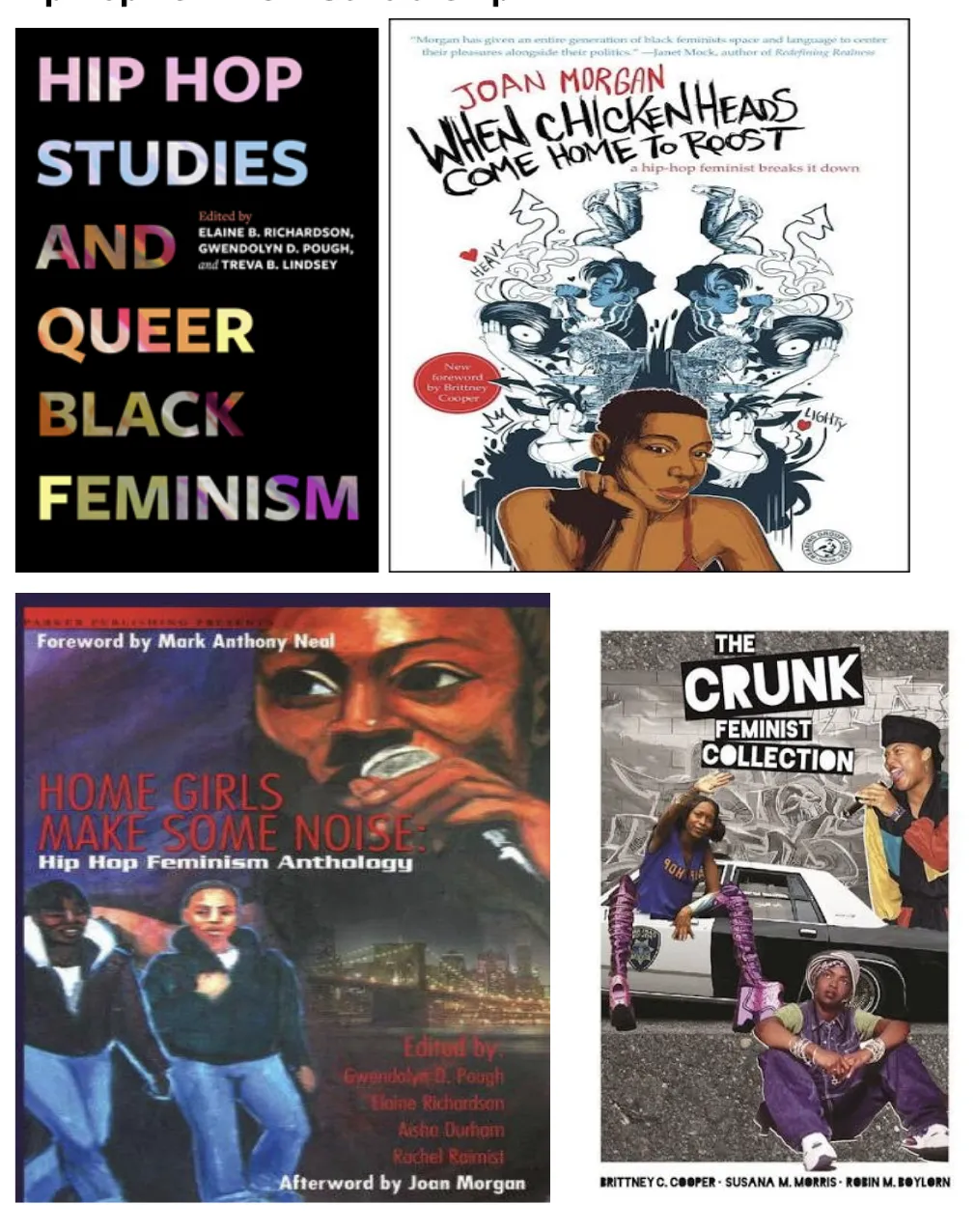
Hip Hop Feminism Scholarship
- Meeting times: Monday/Wednesday, 12-1:40PM
- Instructor: Dr. M. Nicole Horsley
- Prerequisites: None
- Enrollment: 20
- Credits: 4
Course Description
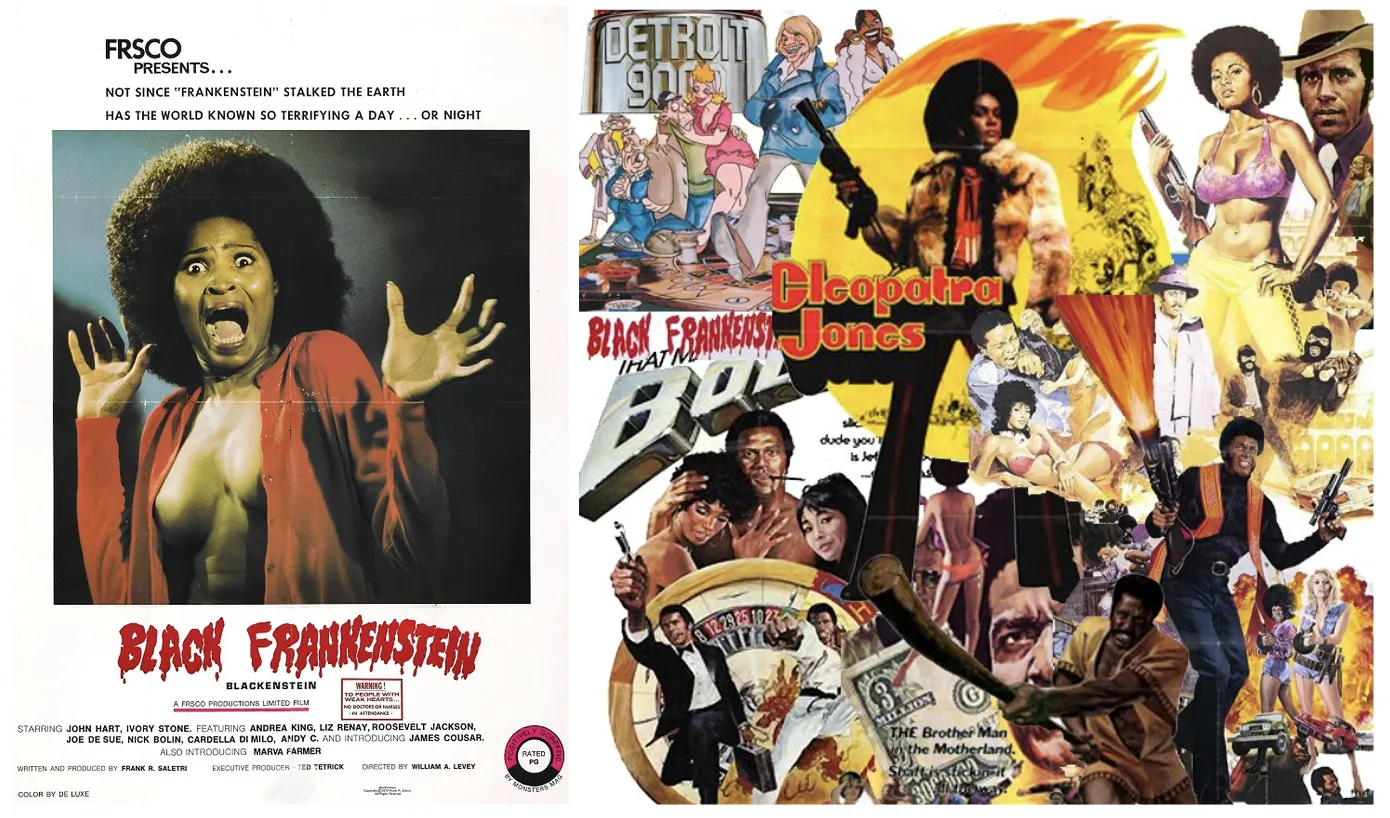
What happens when Black becomes beautiful, dangerous, desirable--and profitable?
In the 1970s, Black bodies, music, fashion, and sexuality took center stage in a new wave of American cinema. Blaxploitation cinema transformed American popular culture through its unforgettable soundtracks, sexual politics, and visions of Black rebellion. It sold audiences fantasies of Black freedom, pleasure, revenge, and power. But was blaxploitation a cinematic revolution, a commercial exploitation of Black audiences, or something more complicated?
The course explores the pleasures, politics, and contradictions of blaxploitation cinema. We will examine Black stardom, gender and sexuality, capitalism, violence, music, spectatorship, and the struggle over who gets to produce, profit from, and define Black images. We’ll consider how the independent success of Melvin Van Peebles’s Sweet Sweetback’s Baadassss Song helped open a commercial door that Hollywood rushed through--and how Black filmmakers, performers, musicians, and audiences negotiated the possibilities and limits along the way, we’ll consider the genre’s relationship to the Black Power and Black Arts movements and its continuing influence on hip hop, fashion, and contemporary film.
- Meeting times: Tuesday/Thursday, 8:10-9:50AM
- Instructor: Dr. Mika Kennedy
- Prerequisites/Restrictions: Junior standing
- Enrollment: 18
- Credits: 4
Course Description
This course in Asian American Literature focuses on eminent and emerging Asian American writers’ challenges to simplified understandings of ethnic literatures solely as representation of diversity, or as keys to “unlocking” information about racialized others. It explores the ways Asian American literatures critique hegemonic cultures and actively craft--rather than simply reflect--a uniquely Asian American set of worldviews and creative experiments.
What does that mean? Let's back up: Often, ethnic literatures are held up as simple examples of diverse representation, or as opportunities to learn about the experiences and positionalities of “the racial other.” These uses have their time and place, particularly in a world that often vehemently resists assigning value to the experiences of people of color. But focusing only on these elements runs the risk of turning them into founts of objective information or using them as "decoder" rings, rather than being understood as aesthetic objects, or as subjective experiments with form and/ or experiences and perspectives unique to the author as an individual.
This course offers a challenge to simplified understandings of ethnic literatures by examining the variety of literary forms, positionalities, and historical contexts tackled in Asian American literature. In this class, you will parse the ways Asian American literatures do not merely represent but play an active role in crafting and critiquing a uniquely Asian American set of worldviews and creative experiments. This course proceeds from the charge that “the personal is political,” and all aesthetic experimentations are also firmly rooted in deep, transpacific histories of Asian America, rather than mere ornament devoid of engagement with issues of race, power, and resistance.
Reading list (selected)
- Dictee, Theresa Hak Kyung Cha
- Hijab Butch Blues, Lamya H
- Speak, Okinawa, Elizabeth Miki Brina
- Changing, Lily Hoang
Note from Dr. K
Is this class at 8AM? Yes! In winter? Yes again. In Ithaca? Oh yes. We’re going to get cozy, read slowly, process deeply, and experiment with multiple ways of approaching literary texts. Our aim will be to find reading practices that are as strange and curious as the texts themselves. (Are watercolors reading? Who can dig the longest research rabbithole? How can the Makerspace help us read? If you read a book about fortune-telling without telling fortunes, have you really read the book about fortune-telling?)


Tell me the story / Of all these things. / Beginning wherever you wish, tell even us.
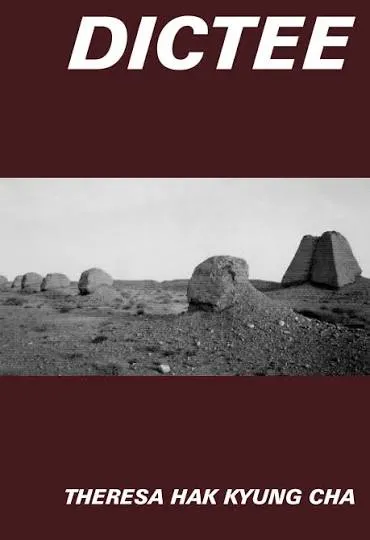
Dictee, Theresa Hak Kyung Cha
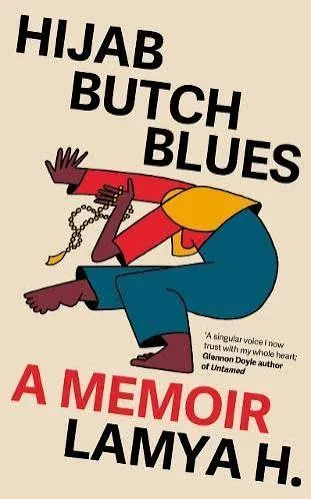
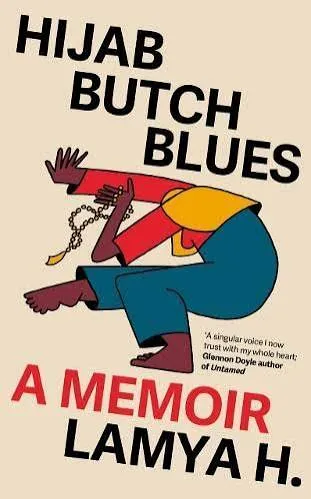
Hijab Butch Blues, Lamya H
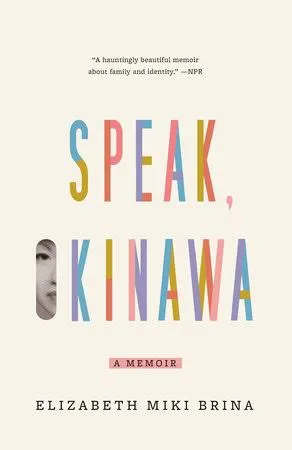
Speak, Okinawa, Elizabeth Miki Brina
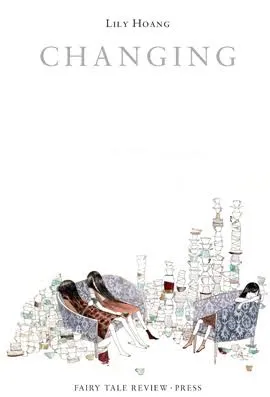
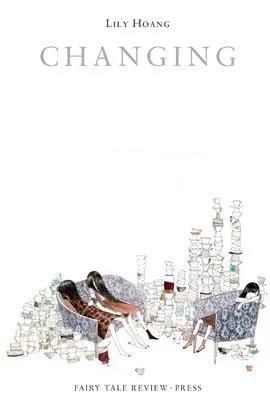
Changing, Lily Hoang
- Meeting times: Tuesday/Thursday, 10-11:50AM
- Instructor: Dr. Mika Kennedy
- Prerequisites/Restrictions: At least one CSCR, LGST , POLI, SOCI, or WGST course.
- Enrollment: 15
- Credits: 4
Course Description
In this practicum-based course, you will take up race, power, and resistance as generative frameworks for enacting social change. What justice movements and political positions informed the development of Asian American and Critical Ethnic Studies? How can understanding histories/theories of race and movement building support and inform the social action campaigns of today?
You’ll address these questions hands-on by engaging in policy-focused social action campaigns grounded in Asian American Studies and Critical Ethnic Studies praxis. Through team-based work focused on an issue of your choosing, you will learn how to:
identify community issues
analyze power dynamics
conduct campaign research
communicate effectively with your base and targets
design campaign actions
develop sustainable practices for yourself and your communities
Reading list (selected)
- “An Insurgent Manual on Organizing for Asian American Studies,” Amber Lee, Linda Lau, Kevin Park, Mimi Khuc, and Lawrence-Minh Bui Davis
- “How Death and Crisis are Co-Opted into Carceral Reform: Abolitionist Perspectives from No New Jails NYC and Red Canary Song,” Shaun X. Lin and Yves Tong Nguyen
- “Drivers on the Front Lines: The New York Taxi Workers Alliance, Neoliberalism, and Global Pandemic—An Interview with Javaid Tariq”
Notes from Dr. K
The world’s on fire, and it’s time to get organized. This class is a crash course on Asian American community organizing that rejects the myth of the model minority. It’s a living laboratory for developing your own social action campaigns. If you’re new to organizing and want to build your foundation, this one’s for you. If you want to build your leadership skillset and take your organizing vision to the next level, this one’s for you. And if you want to bring the spirit of strong organizing--radical hospitality, collective care--to the places you already live, work, and play, this one’s for you, too.
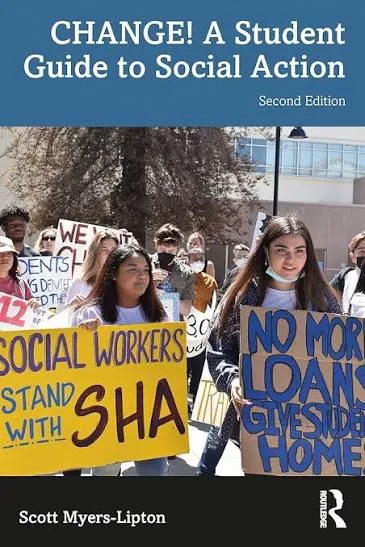
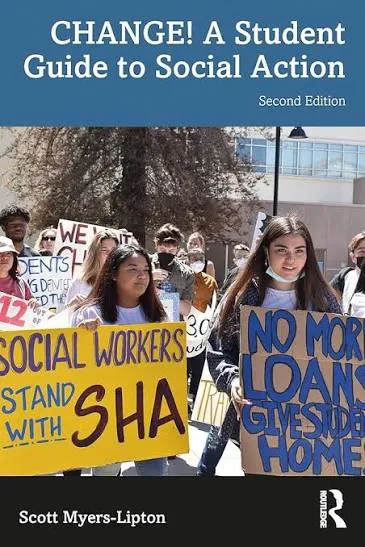
Change! A Student Guide to Social Action
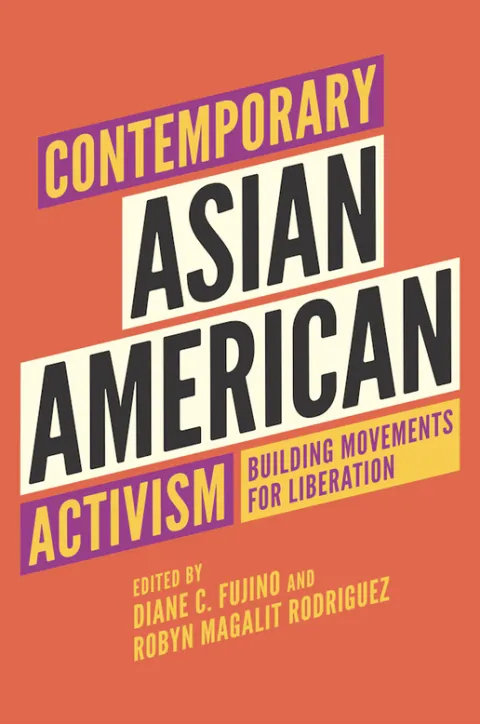
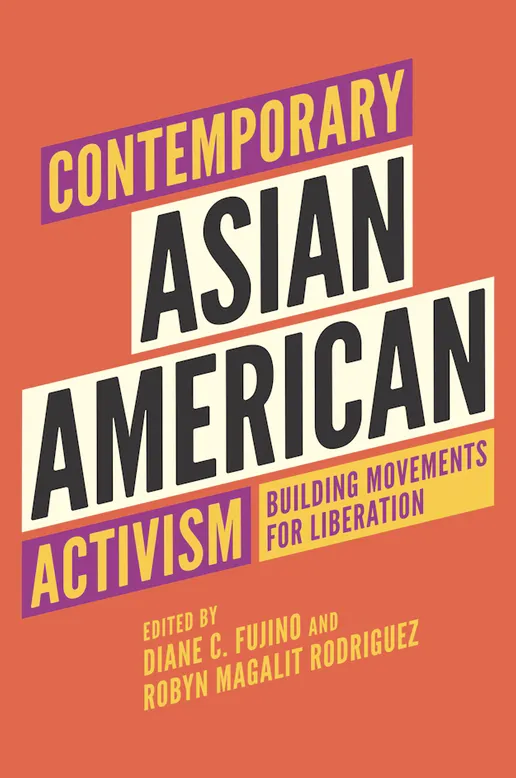
Contemporary Asian American Activism: Building Movements for Liberation
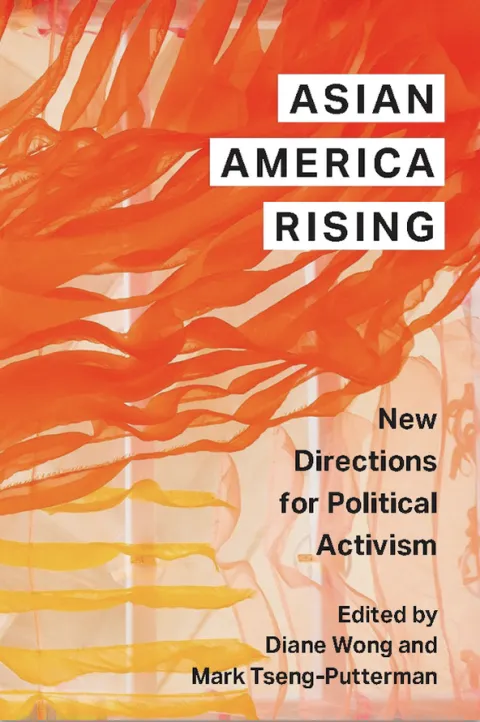
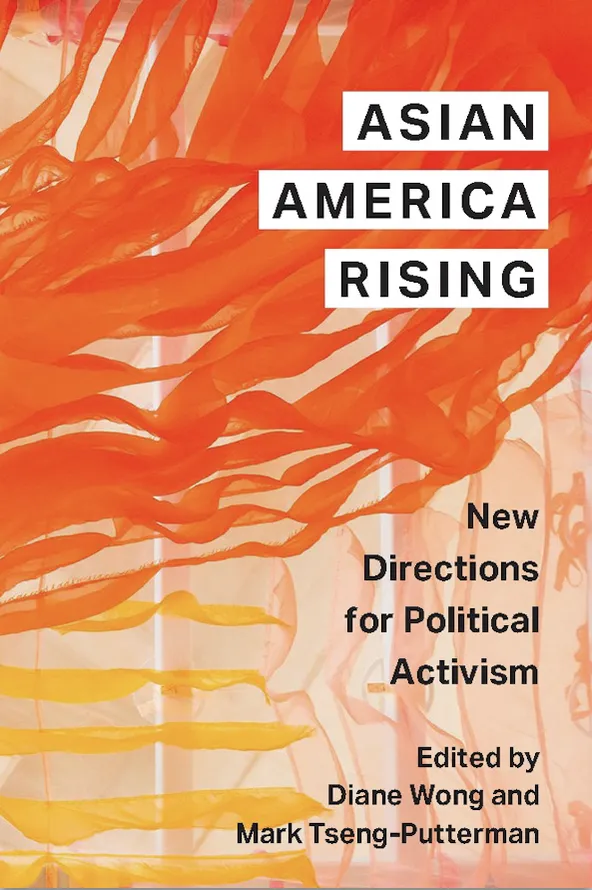
Asian America Rising: New Directions for Political Activism
Interested in going further?
An unapologetic focus on race and power inequalities in the U.S. and the diaspora.
Programs in African Diaspora Studies, Asian American Studies, LatinX Studies, and Native American and Indigenous Studies.